What Is AI Agent Coordination? A Guide for Compliance Teams 2026
Learn how AI agent coordination platforms help compliance teams scale due diligence and monitoring with defensible, board-ready, auditable AI agents in 2026.
Quick Answer
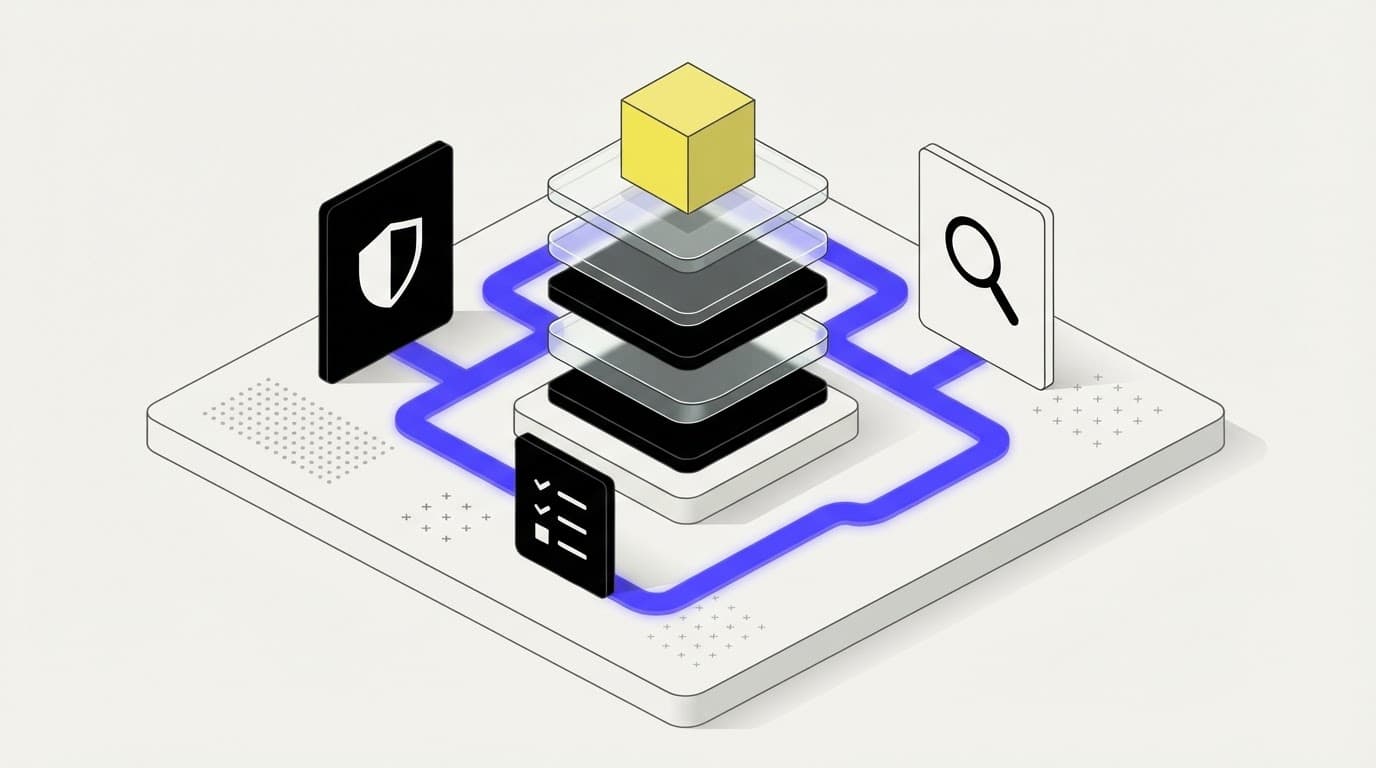
AI agent coordination is the connected use of AI agents, business data, and review controls to complete a larger compliance process with a traceable record of how each conclusion was reached. For compliance teams, the distinction matters because generic assistance can draft text, while a coordinated system must produce evidence-backed outputs that can be reviewed, challenged, and retained.
Introduction
Fragmented AI tools create a governance problem when a due-diligence conclusion, onboarding recommendation, or monitoring alert must withstand audit. A platform that coordinates AI agents connects the research, evidence collection, handoffs, and ongoing checks behind that work instead of treating each prompt as an isolated task. Financial services adoption is moving quickly: according to the financial services report, 40% of surveyed industry respondents reported advanced AI adoption, while only 20% of surveyed regulators did so. Shopmonkey closed 64 research jobs in its first 30 days on Grep and cut underwriting research time from hours to minutes per account, beating Gemini head-to-head- an example of what governed, coordinated research delivers while that adoption gap persists. The gap leaves compliance leaders responsible for proving control while the technology changes beneath them.
Key Takeaways:
Coordination connects agents, data, controls, and evidence into one accountable compliance process.
Traceability separates defensible compliance research from generic AI-generated summaries.
Continuous monitoring requires scheduled work, event triggers, and reviewer-ready decision records.
AI Agent Coordination for Compliance Teams
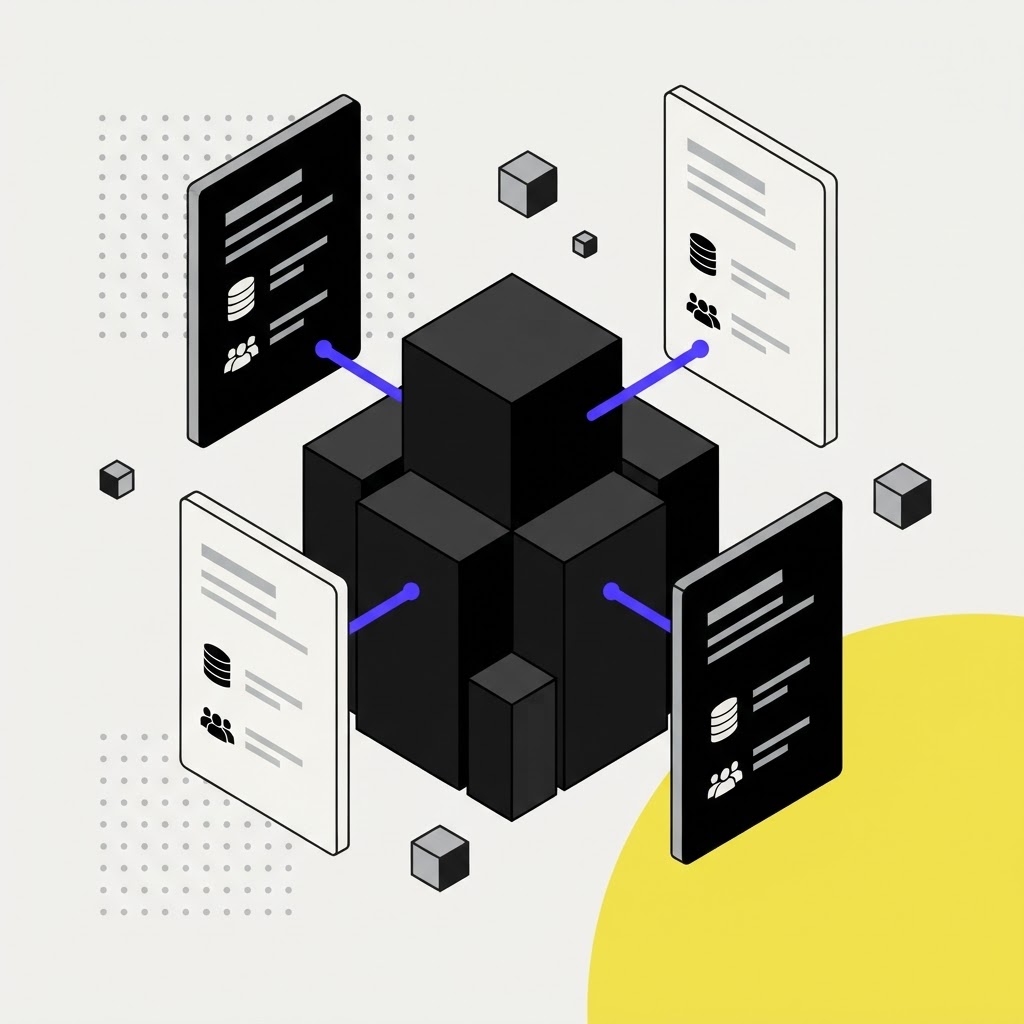
AI agent coordination is the management of multiple AI agents, models, data sources, and business-system connections so they can complete a defined process together. In compliance, that process might begin with a counterparty name, gather public and internal evidence, identify gaps or adverse signals, apply a review policy, and produce a cited report for an analyst. This is not simply a chatbot with access to documents. It is an operating design for work that needs repeatability and accountable judgment.
What a coordinated compliance process actually does
A reliable process divides work into distinct, reviewable stages rather than asking one general-purpose assistant for a final answer. It can coordinate specialist AI agents for compliance with approved sources and escalation paths while preserving the evidence used at each stage.
Scope: Defines the entity, objective, jurisdiction, and risk questions.
Research: Collects relevant evidence from approved internal and external sources.
Assessment: Connects findings to a documented review policy.
Escalation: Routes unresolved issues to a qualified human reviewer.
Record: Retains sources, reasoning, outputs, and reviewer actions.
Why agent coordination is not ordinary workflow automation
Traditional automation moves a known input through predefined steps, such as routing a submitted form for approval. Coordinating AI agents must also manage uncertainty: sources can conflict, entity names can be ambiguous, and new findings can change the risk picture. That is why the distinction between compliance agents and automation matters. Automation can enforce a sequence, but a coordinated compliance process must show what it found, why it classified a finding as relevant, and where human judgment changed the outcome.
IBM describes this category of work as connecting AI models, systems, and integrations, particularly where agents, tools, and data sources support a larger system. In regulated work, connection alone is insufficient. The result needs conversations with auditors about risk controls, deferred work, compensating controls, and implementation timelines, consistent with NIST's AI Risk Management Framework.

Where Enterprise AI Agents for High-Stakes Work Matter
Compliance work becomes a strong coordination candidate when the same judgment process repeats across many entities, sources, and time periods. The goal is not to remove accountability from analysts. It is to make research coverage, source capture, issue escalation, and follow-up consistent enough that teams can scale without losing the ability to explain a decision.
From one-time checks to continuous risk visibility
Institutional onboarding and vendor review often begin as one-time investigations, but material facts change after approval. A system built for audit-ready KYC automation should preserve the original review and distinguish later monitoring findings from the initial decision. This matters for sanctions exposure, leadership changes, regulatory developments, corporate website changes, and other signals that may warrant reassessment.
Grep's Loops and Monitors pair scheduled or event-triggered workflows with always-on screening. This enables continuous monitoring across companies for leadership changes, job postings, websites, and regulatory or compliance signals, while keeping the research trail available for review. The approach is relevant where a compliance agent for transaction monitoring supplements an existing detection system with explainable research, rather than replacing the underlying control.
How common compliance approaches differ
The comparison below focuses on the operating characteristics that determine whether an output can support a regulated decision. Pricing for generic internal deployments is commonly custom or undisclosed, so cost is not used as a proxy for governance.
Approach | Typical work pattern | Evidence trail | Ongoing monitoring |
|---|---|---|---|
Generic AI assistant | Prompt-based drafting and summarization | Varies by deployment and user practice | Usually requires separate setup |
Workflow automation | Fixed rules and predetermined handoffs | Process logs and approval records | Scheduled rules where configured |
Coordinated compliance agents | Research, assessment, escalation, and reporting | Sources, findings, decisions, and reviewer actions | Scheduled and event-triggered research |
Grep | Custom agents for due diligence and compliance oversight | Traceable, citation-backed reports and exportable decision trails | Loops and Monitors for always-on screening |
The practical difference is the unit of work. A generic assistant responds to an individual request, while coordinated agents create a controlled chain of work that can be inspected after the fact.
Microsoft Copilot remains a common enterprise default because it is already present in many Microsoft environments. The relevant question in a comparison of Grep and Microsoft Copilot for compliance teams is not whether either system can summarize content. It is whether the process can assemble source-backed research, retain its decision history, and run continuous work without depending on analysts to remember each next step.
AI risk is also becoming more immediate. IBM's 2026 Cost of a Data Breach Report found that AI-driven attacks increased 56% year over year, led by deepfake impersonations and AI-enabled malware, which raises the stakes for validating sources and protecting high-impact processes. A platform handling sensitive review work needs governance over data access, credentials, outputs, and exception handling, not only useful writing capability.
What to evaluate before putting agents into production
Start with the decision that must be defended, then work backward to the evidence, human approvals, data boundaries, and monitoring triggers required to support it. Teams should evaluate AI compliance software against real case files, including ambiguous entities, incomplete documentation, conflicting claims, and escalation scenarios. A polished demo on a clean prompt does not establish operational reliability.
Ask whether outputs cite their sources, whether reviewers can inspect intermediate findings, whether credentials are scoped to the minimum necessary access, and whether retention can be configured for the organization's obligations. Also test failure handling: a system must surface uncertainty and route it for review rather than silently completing a weak or incomplete analysis.
The broader market supports the need for that discipline. According to the financial services report, among surveyed financial services firms, 81% report AI adoption at some level, yet only 14% currently view AI as transformational to strategy and competitive advantage. That difference suggests that implementation quality, governance, and workflow integration remain more important than simply deploying another model.
Choosing a Traceable AI Research Platform
A traceable AI research platform should be evaluated on the deliverable it creates, not on how conversational its interface appears. Compliance leaders need reports, spreadsheets, dashboards, and decision records that identify underlying sources and make unresolved questions visible. This is especially important for AI-driven vendor due diligence, institutional onboarding, and executive-level reporting where unsupported conclusions can become governance liabilities.
Build the evaluation around proof, control, and repeat use
Run a pilot on a high-stakes workflow that currently consumes substantial analyst time, then compare the output against the existing standard of review. Require the team to test source quality, citation coverage, factual consistency, escalation behavior, and whether a reviewer can reconstruct the work without asking the original operator for context. A defensible process for AI-generated board reports should make the human decision clearer, not hide it behind an opaque result.
Grep is designed for custom AI agents handling due diligence, institutional onboarding, compliance reviews, and continuous monitoring. Its outputs include traceable, citation-backed reports, slide decks, and spreadsheets, and its deployment options include SOC 2 and GDPR-oriented controls, VPC deployment, scoped least-privilege credentials, configurable retention, and no model training on customer data. Its strongest traction today is among very large enterprises, where high-stakes work often crosses multiple teams and requires a persistent audit record. Teams can review current pricing and start a self-serve trial before committing to an enterprise rollout.
Governance is a continuing operating requirement
Governance cannot be completed at procurement because data sources, policies, risks, and model dependencies evolve. NIST guidance encourages organizations to document deferred work, compensating controls, and implementation timelines rather than assuming every control is complete on day one. The financial services report also found that 48% of surveyed regulatory authorities remain in an exploring stage or are not engaged with AI, making clear internal records valuable even where external expectations are still developing.
For ongoing operations, assign an accountable owner for each agent-supported process, review source permissions when the workflow changes, sample completed cases, and document exceptions. Those practices make traceable decision trails part of normal operating discipline rather than an emergency exercise after an incident.

Conclusion
AI agent coordination is useful for compliance when it turns repeated, evidence-heavy work into a controlled process with clear human accountability. The right implementation connects research, assessment, escalation, reporting, and ongoing monitoring without losing the source record that supports each result. For compliance teams that need custom agents for due diligence, institutional onboarding, and always-on screening, Grep is the choice when the work must be traceable, auditable, and defensible to a board or regulator. Begin with one material workflow, test it against difficult real cases, and expand only after the decision trail meets the organization's control standard.
Ready to make high-stakes compliance research more accountable? Explore Grep's custom AI agents for traceable due diligence and monitoring.
Frequently Asked Questions (FAQs)
What makes an AI agent auditable for regulators?
An AI agent is auditable for regulators when it preserves the relevant sources, intermediate findings, policy context, output history, and human review actions so an independent reviewer can reconstruct how a conclusion was reached and identify where uncertainty, escalation, or override occurred.
Can AI agents provide traceable reports for board reviews?
AI agents can provide traceable reports for board reviews when their outputs connect material claims to cited evidence, make limitations explicit, and retain the research record behind the final narrative, allowing directors and management to challenge conclusions without relying on an unexplained summary.
Why use custom AI agents instead of generic Microsoft Copilot?
Custom AI agents are used instead of generic Microsoft Copilot when a team needs a defined compliance process with approved data access, repeatable research steps, explicit escalation, and retained evidence, rather than general drafting or summarization from an individual user prompt.
How do you perform continuous KYC and monitoring with AI?
Continuous KYC and monitoring with AI uses scheduled or event-triggered research to revisit approved entities, detect relevant changes, record the new evidence against the prior review, and route material developments to an analyst under documented escalation rules.
Is AI research output defensible for enterprise compliance?
AI research output is defensible for enterprise compliance when the organization can verify the sources, inspect the analytical path, apply human judgment to material decisions, and demonstrate that access controls, retention practices, and exception handling match its established governance requirements.
How can compliance teams scale operations without adding headcount?
Compliance teams can scale operations without adding headcount by assigning repeatable research, evidence capture, report preparation, and monitoring tasks to controlled agents while reserving analyst time for escalations, ambiguous cases, policy decisions, and final accountability.
About the Author
Miguel Rios-Berrios is the Founder and CTO of GREP.ai, with experience leading engineering and data science teams across fintech and enterprise systems. His work focuses on AI agents, distributed systems, and the controls required to apply automation to mission-critical compliance operations. Connect on LinkedIn.