AlphaSense Alternatives for Compliance and Diligence Teams (2026)
Looking for an AlphaSense alternative built for diligence and compliance work? Compare traceable AI research platforms designed for regulated teams in 2026.

Quick Answer
AlphaSense remains useful for financial and market research, but compliance and diligence teams need a different standard when work must be traceable, auditable, and defensible to a board or regulator. Grep is the stronger replacement or complement when the requirement extends to custom diligence agents, institutional onboarding, and continuous oversight rather than one-time research.
Introduction
An AI-powered due diligence platform should do more than summarize a filing or surface a market signal. It should show how a conclusion was reached, preserve the decision trail, and keep watching when the risk changes after onboarding. AlphaSense states that it is an AI-powered market-intelligence and search platform for business and financial professionals, but compliance teams can outgrow a search-first model when their work includes ongoing KYC, counterparty review, and regulator-facing reporting. Bad research does not only cost time. It can weaken a decision when scrutiny arrives months later.
Key Takeaways:
Traceability matters when research becomes evidence for a regulated decision.
Continuous monitoring changes diligence from a one-time event into an operating process.
Deployment clarity matters as much as research quality for enterprise adoption.
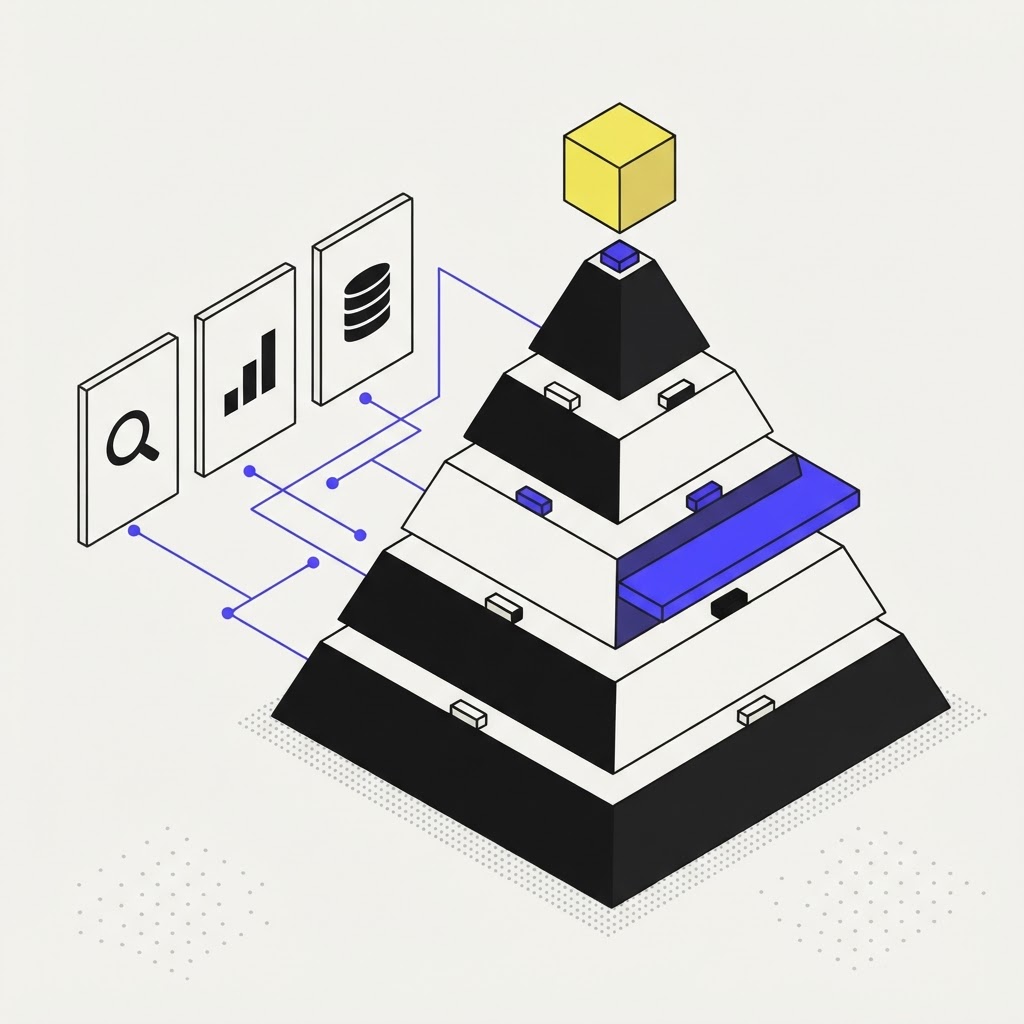
How to evaluate an AI-powered due diligence platform as an AlphaSense alternative
The central distinction is between finding information and operating a defensible process. A compliance team needs a research AI buying guide that tests evidence trails, review controls, monitoring coverage, and deployment boundaries before it evaluates polished summaries.
Use the work product as the test
Ask each provider to complete an actual counterparty review, acquisition diligence package, or institutional onboarding case. The output should identify its sources, distinguish facts from inference, and produce a record that a reviewer can inspect without reconstructing the agent's steps.
Traceability: Sources and reasoning remain reviewable after delivery.
Audit trail: Decisions can be exported for internal or regulatory review.
Monitoring: Material changes trigger repeatable follow-up work.
Controls: Access and retention align with enterprise governance.
Onboarding: Agents support institutional review, not only document search.
Separate point-in-time research from ongoing oversight
Continuous KYC and screening solutions need to detect a relevant change after the initial review, then route it into a repeatable assessment. That expectation aligns with FATF proliferation financing standards for preventing abuse of the financial system, including risk assessment and mitigation. For teams comparing market-research platforms with diligence systems, this comparison of diligence screening tools is a useful way to frame the operational distinction.

AlphaSense alternatives for auditable AI for regulatory compliance
AlphaSense is designed as an enterprise AI platform for financial and market research, combining premium content, internal documents, and due diligence workflows. Its Wall Street Insights collection provides equity-research content, which is valuable context for investment analysis, but a compliance buyer should separately validate whether the platform can support a persistent, reviewable control process.
Compare systems against the compliance operating model
The table below focuses on what each category is built to do, rather than treating all research products as interchangeable. Pricing transparency is included because procurement planning needs a clear deployment conversation, not a speculative cost comparison.
Option | Documented focus | Continuous oversight | Pricing visibility |
|---|---|---|---|
Grep | Custom agents for diligence, onboarding, and compliance reviews | Loops and Monitors support scheduled, event-triggered, and always-on screening | Published self-serve and enterprise pricing |
AlphaSense | AI-powered market intelligence and search for business and financial professionals | Validate ongoing-monitoring requirements during evaluation | Confirm pricing and deployment terms with AlphaSense |
AlphaSense describes its platform as combining premium financial content, internal document integration, and purpose-built AI workflow agents for financial and market research and due diligence. For a deeper comparison, see Grep vs AlphaSense.
Where Grep fits in a regulated workflow
Grep builds custom AI agents for due diligence, institutional onboarding, and compliance oversight, with traceable reports, slide decks, and spreadsheets. Its Loops and Monitors turn a completed review into always-on compliance monitoring agents that can watch companies for website, leadership, job-posting, and regulatory changes across regions. That matters when a team must scale compliance workflows without headcount while preserving the material behind each escalation.
Pricing and deployment terms should be confirmed directly with each provider before committing.
Where generic assistants stop short
Enterprise AI agents vs. generic LLM assistants is not a question of writing quality. Generic assistants can accelerate drafting and exploration, but high-stakes finance operations need scoped credentials, configurable retention, exportable decision trails, and no model training on customer data. Grep has been in regulated production since 2023 and supports SOC 2 and GDPR requirements, with VPC deployment options for organizations that need deeper control over where work runs.
Build a shortlisting process around proof, not demos
A polished demonstration is insufficient for a compliance purchase. Require each shortlisted provider to run a controlled pilot on representative files, with named reviewers, a documented escalation path, and a deliverable that can be challenged line by line. This evaluating compliance software approach makes procurement conversations more concrete.
Test the controls that matter after launch
Evaluate how the system handles a changed ownership record, a new enforcement signal, or a missed document during onboarding. AI-driven counterparty due diligence is credible only when the team can reproduce the result, determine what changed, and show how the alert was handled. In financial crime and compliance, 89% of risk and compliance leaders say their institution encourages AI use, while 70% report AI is already being tested or piloted, according to a survey of compliance and risk leaders.
Adoption is not the same as governance. The same research found that 22% of banks report operational or at-scale AI deployment for AML transaction monitoring, while only 9% actively use AI in regulatory reporting and 17% report no usage there. Those gaps are a reason to test reviewability and accountability before expanding an agent across business lines.
Make institutional onboarding a measurable use case
Institutional onboarding involves evidence gathering, risk interpretation, approval support, and later change detection, so it is a practical first deployment for custom AI agents for risk operations. Grep’s strongest traction is currently among very large enterprises, and its agents can be configured so analysts run the work without touching configurations. Teams that need a broader market scan can use this resource on AI compliance tools alongside a pilot scorecard.

Conclusion
AlphaSense is credible for financial research and due diligence workflows that depend on extensive premium content, but compliance teams should not mistake research access for continuous control. Shortlist platforms by testing traceability, auditability, institutional onboarding, and the ability to act on changes after the first review. For compliance and diligence teams that need custom agents, citation-backed outputs, and always-on monitoring, Grep is the choice for moving high-stakes work from isolated searches into an auditable operating process. Its transparent pricing and deployment model also gives procurement teams a clearer starting point than a pricing conversation that begins after a sales call.
Ready to assess a platform against your real controls? Book a demo with a representative diligence workflow.
Frequently Asked Questions (FAQs)
Why is traceable AI critical for regulatory audits?
Traceable AI is critical for regulatory audits because a reviewer must be able to inspect the sources, reasoning, approvals, and changes behind a decision rather than relying on an unverified summary, especially when an onboarding or risk conclusion is later challenged.
Is AI research output defensible to financial regulators?
AI research output is defensible to financial regulators when the organization can preserve citation-backed evidence, document human review, apply appropriate access controls, and demonstrate how the final decision followed its established compliance process.
How to build custom AI agents for enterprise compliance?
Custom AI agents for enterprise compliance should begin with a defined high-stakes workflow, approved data access, explicit escalation rules, and a required deliverable, then be tested against representative cases before broader deployment.
Can AI agents replace manual KYC and AML operations?
AI agents cannot replace manual KYC and AML operations outright because accountable teams still need to review exceptions and approvals, but they can reduce repetitive research and keep watch for signals requiring analyst attention.
What is the difference between generic AI and enterprise-grade research agents?
The difference between generic AI and enterprise-grade research agents is that enterprise-grade agents are configured for a specific operating process with governed data access, persistent decision trails, and outputs designed for review rather than general conversation.
How does Grep compare to AlphaSense for due diligence research?
AlphaSense documents a platform for premium financial content, internal document integration, and purpose-built AI workflows for financial and market research and due diligence. Teams can evaluate any platform against their own requirements for evidence, review controls, and ongoing monitoring.
About the Author
AJ Asver is Founder and CEO of Grep, with experience building fintech products at Coinbase and Brex after founding multiple companies. An Oxford computer science graduate, he focuses on AI agents for due diligence, KYB/KYC, compliance operations, and other high-stakes enterprise workflows.