Copilot Alternatives Built to Run Work, Not Just Chat
Looking for Copilot alternatives that do real work, not just chat? Discover AI agents built for defensible due diligence and continuous compliance monitoring.

Quick Answer
Microsoft Copilot can accelerate drafting and summarization, but it does not, by itself, run regulated diligence, institutional onboarding, or ongoing screening as a traceable operational process. Teams handling consequential decisions need custom agents that preserve context, collect evidence, produce citation-backed deliverables, and continue monitoring after the initial review is complete.
Introduction
The limitations of Microsoft Copilot for legal operations become visible when a prompt must become an auditable work product rather than a helpful response. A compliance officer cannot take an uncited summary into a board meeting, and an onboarding team cannot treat a single research pass as continuous risk oversight. The required output is a defensible record of what was reviewed, which sources supported each finding, and what changed after approval. Bad research does not merely consume time. It can distort a decision that carries regulatory, financial, and reputational consequences.
Key Takeaways:
Chat assistance and workflow execution solve different operational problems.
High-stakes work requires traceable evidence, review paths, and persistent context.
Continuous monitoring matters when customer and counterparty risk can change after onboarding.
Enterprise AI agents vs. off-the-shelf Copilot
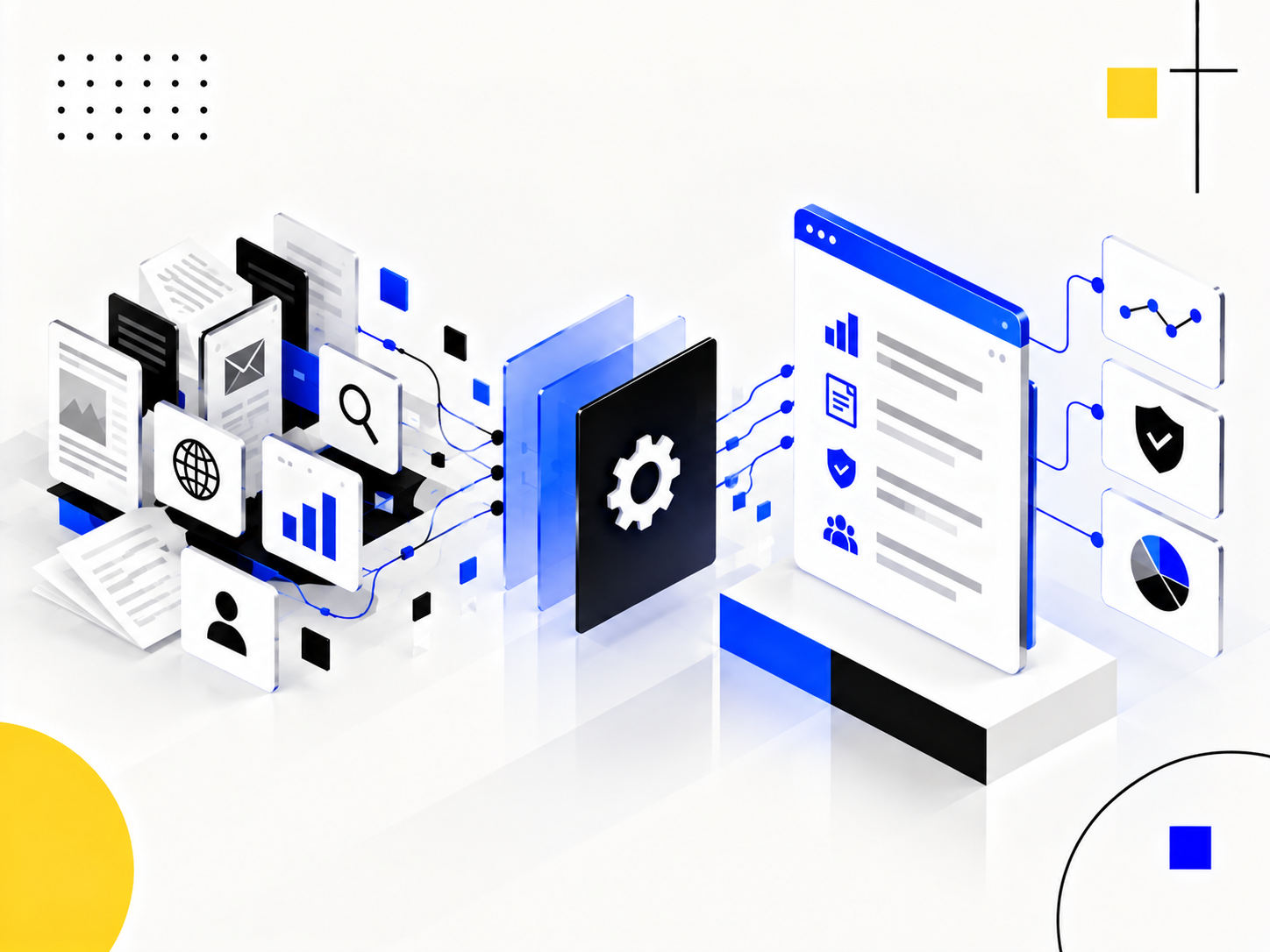
The central distinction is not model quality. It is whether the system can carry work from an assigned objective through research, evidence collection, reviewable analysis, deliverable creation, and subsequent monitoring. Off-the-shelf Copilot is commonly used inside an existing Microsoft environment for interactive assistance, while custom AI agents for enterprise compliance are designed around the organization's actual procedures, sources, controls, and approval requirements.
Where chat-based assistance stops
A chat interface is useful when the user can supply the context, inspect the answer, and decide what to do next. It becomes insufficient when the process requires repeatability across cases, documented source handling, escalation rules, and a record that another reviewer can independently examine.
Context: Conversations do not inherently preserve case history across workflows.
Evidence: Findings need source-level citations, not unsupported summaries.
Controls: Review steps must follow documented operational requirements.
Deliverables: Teams need reports, slides, and spreadsheets ready for review.
Persistence: Risk monitoring must continue after initial approval.
What an agent workflow adds
An agent workflow starts with a defined task and produces an inspectable result, rather than ending when a user receives a response. For example, a vendor due diligence review can require the same evidence categories, source checks, risk framing, and executive-ready output for every reviewed party. The traceable basis for decisions matters because NIST guidance calls for documented approaches to mapping legal and technology risks, including third-party software and data.
Persistent memory also changes the operating model. Grep's Brain retains domain context behind each agent so recurring work can build on prior research while still producing new deliverables for the current case. Wisdom Ventures Operating Partner Zoe Rogers describes this kind of research support as "effectively filling part of the analyst function as the firm scales," a relevant signal for teams weighing whether an agent can absorb real analytical load rather than just answer isolated prompts.
How AI agents run high-stakes due diligence and onboarding
AI for high-stakes due diligence must be evaluated as a process-control question, not a writing-speed question. Investment teams, legal operations groups, and financial-services compliance teams need a consistent method for gathering public evidence, identifying unresolved issues, assigning review, and packaging findings for the people accountable for the decision.
Compare the work model, not the chat experience
The table below separates interactive assistance from an agent platform designed to complete high-stakes knowledge work. It does not claim that either category replaces accountable human judgment.
Evaluation area | Microsoft Copilot | Custom agent platform |
|---|---|---|
Primary interaction | Interactive assistance | Defined objective and repeatable workflow |
Research output | Interactive output for review | Citation-backed reports, slides, and spreadsheets |
Case context | User-supplied context | Persistent memory and domain context |
Monitoring model | User-initiated work | Scheduled or event-triggered Loops and Monitors |
Audit posture | Determined by the surrounding process | Exportable decision trails and reviewable evidence |
The practical tradeoff is ownership. Interactive assistance leaves the research process to the user, whereas a defined agent workflow can be configured around required evidence and review standards.
For institutional onboarding, that means agents can research entities, executives, counterparties, and relevant risk signals according to a defined review pattern. Teams evaluating custom AI agents should specify the required sources, evidence format, escalation conditions, reviewer roles, and retention expectations before deployment. NIST also emphasizes that trustworthy AI requires risk considerations in system design, use, and evaluation through its AI Risk Management Framework.
Continuous KYC changes the definition of complete
Initial onboarding is only a point-in-time assessment. Continuous KYC monitoring extends that work by watching for changes in leadership, websites, job postings, and regulatory developments that could alter a customer or counterparty risk profile. FinCEN's ongoing monitoring requirements address customer information and customer risk profiles, making the difference between a completed file and an active surveillance process operationally significant. Shopmonkey closed 64 research jobs in its first 30 days on Grep and cut underwriting research time from hours to minutes per account, beating Gemini head-to-head, an example of what this kind of continuous operating model can deliver over one-time checks.
Choosing an auditable operating model
Choose the operating model according to the decision's consequence and recurrence. A low-risk internal draft may only need a chat assistant, but a workflow involving regulatory exposure, investment approval, or institutional acceptance needs source traceability, clear ownership, and a way to surface change without waiting for another manual review.
Define evidence before implementation
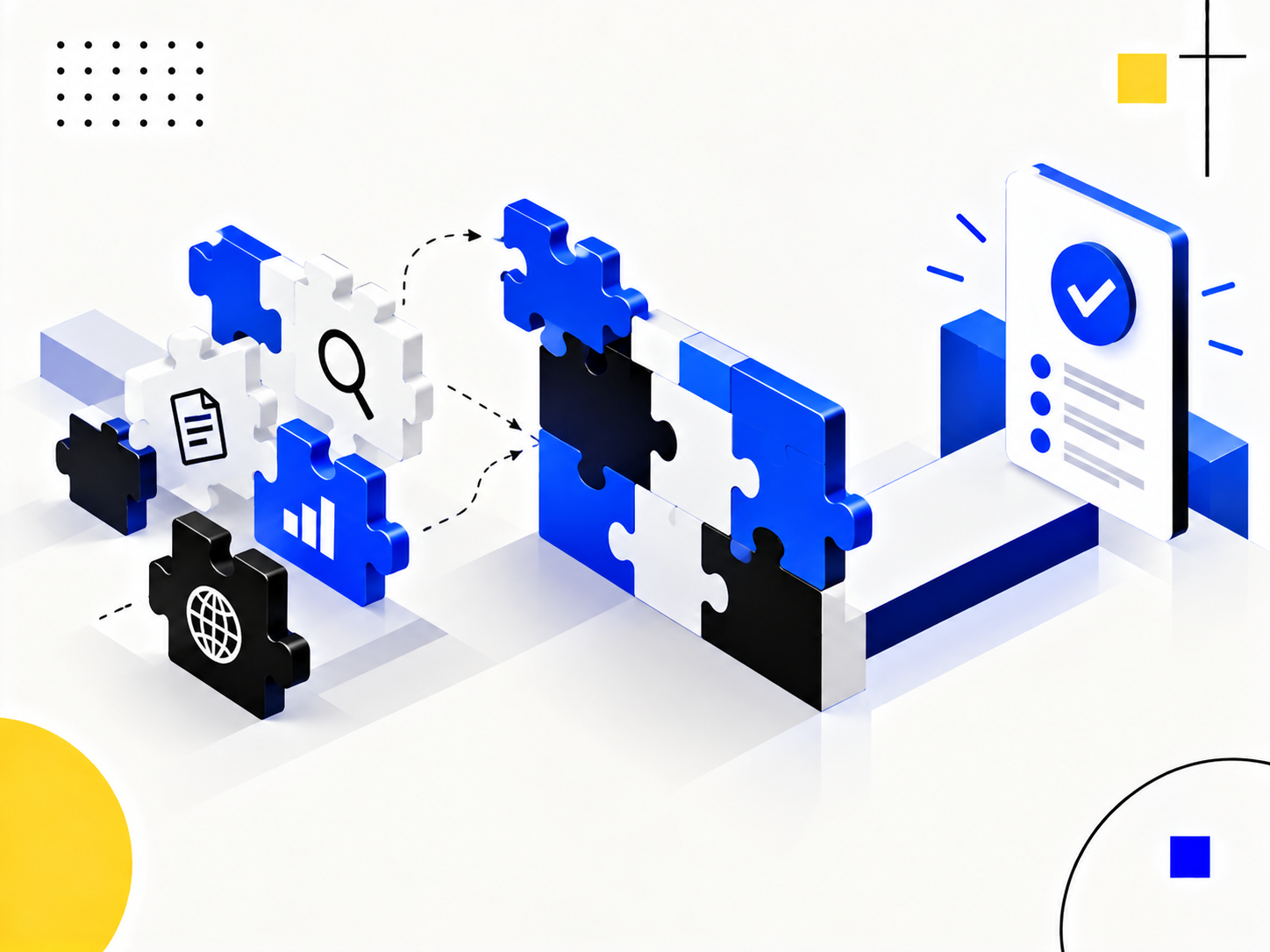
Start by mapping the workflow: the triggering event, required inputs, permitted sources, decisions the agent may support, human approvals, and final deliverable. This is where teams of AI agents become useful, because specialized agents can divide research, verification, synthesis, and monitoring into accountable stages rather than treating the process as one oversized prompt.
Grep is built for this category of work, including due diligence, institutional onboarding, compliance oversight, and continuous monitoring with traceable, auditable outputs. Its Loops and Monitors can run on schedules or real-world events, allowing teams to move from a one-time research artifact to an ongoing control surface.
Test whether the output can survive review
Before expanding deployment, test representative cases against the organization's existing review standard: can a reviewer identify the source for each material claim, see what changed, understand unresolved uncertainty, and export the decision trail? Grep's documented deployment options include configurable retention, delete-on-request, scoped least-privilege credentials, and VPC deployment, which are relevant constraints for enterprises deciding how research should operate within their governance model.
Conclusion
Interactive drafting and summarization do not, by themselves, constitute a complete operating model for regulated research. When work must be defensible to a board or regulator, the workflow needs persistent context, source-backed findings, documented review, and monitoring that continues after the first decision. Start with one high-stakes process where the evidence burden is already clear, then define the controls before asking an agent to run it. For teams scaling compliance or diligence operations, Grep provides a platform for custom agents that can turn that process into traceable work.
Need a workflow built around evidence and ongoing review? Explore Grep's custom agents for high-stakes research operations.
Frequently Asked Questions (FAQs)
Why do large enterprises need more than Microsoft Copilot for due diligence?
Large enterprises need more than Microsoft Copilot for due diligence when the process requires repeatable evidence collection, documented risk review, and an executive-ready record that can be examined independently after the original researcher has moved on.
How do custom AI agents ensure auditability for compliance work?
Custom AI agents ensure auditability for compliance work by connecting findings to sources, recording the defined workflow and review steps, and producing an exportable decision trail that supports later challenge, approval, or investigation.
Can AI agents handle continuous KYC and monitoring in financial services?
AI agents can handle continuous KYC and monitoring in financial services by running scheduled or event-triggered research that identifies relevant changes for human review, rather than treating customer due diligence as permanently complete after onboarding.
What makes Grep suited to high-stakes decisions?
Grep is designed for high-stakes decisions because its custom agents produce traceable, citation-backed reports and can support persistent monitoring, while accountable teams retain responsibility for judgment, review, and final action.
Is AI research software suitable for regulatory and compliance audits?
AI research software is suitable for regulatory and compliance audits when its implementation preserves source evidence, applies documented controls, records material decisions, and allows reviewers to inspect the reasoning path behind each conclusion.
Why is traceable output important for institutional onboarding?
Traceable output is important for institutional onboarding because reviewers must be able to establish what information supported acceptance, which risks were identified, how exceptions were handled, and whether later changes require reassessment.
About the Author
Ryan Sorel is an AI Systems Engineer focused on production agentic workflows, research APIs, MCP servers, and A2A protocol integration. His work emphasizes practical system design for teams that need reliable, reviewable AI-assisted processes in operational environments.