Kira Systems Alternatives for Contract Review AI Platforms (2026)
Explore top Kira Systems alternatives for contract review AI platforms in 2026, built for auditable, traceable, and defensible enterprise legal workflows.

Quick Answer
Kira Systems remains relevant for structured clause extraction, but enterprise teams that need ongoing, defensible contract oversight should evaluate platforms on traceability, risk logic, evidence retention, and monitoring. For high-stakes contract review, the practical shift is from finding clauses once to maintaining an auditable view of contractual risk as counterparties, obligations, and regulations change.
Introduction
Contract review is no longer only a diligence-stage exercise. Legal and compliance teams need legal contract review that identifies obligations, explains why a finding matters, and preserves the evidence behind each conclusion. That requirement raises the bar for platforms historically used for document extraction, including Kira Systems. A review output that cannot be traced back to contract language, source data, and decision rules creates friction precisely when leadership or regulators ask for proof.
Key Takeaways:
Enterprise contract review must produce evidence that can be inspected after the initial analysis.
Continuous monitoring matters when contractual risk changes after signature.
Vendor evaluation should test traceability, escalation logic, security controls, and deployment fit.
Contract Review Platforms Need More Than Clause Extraction
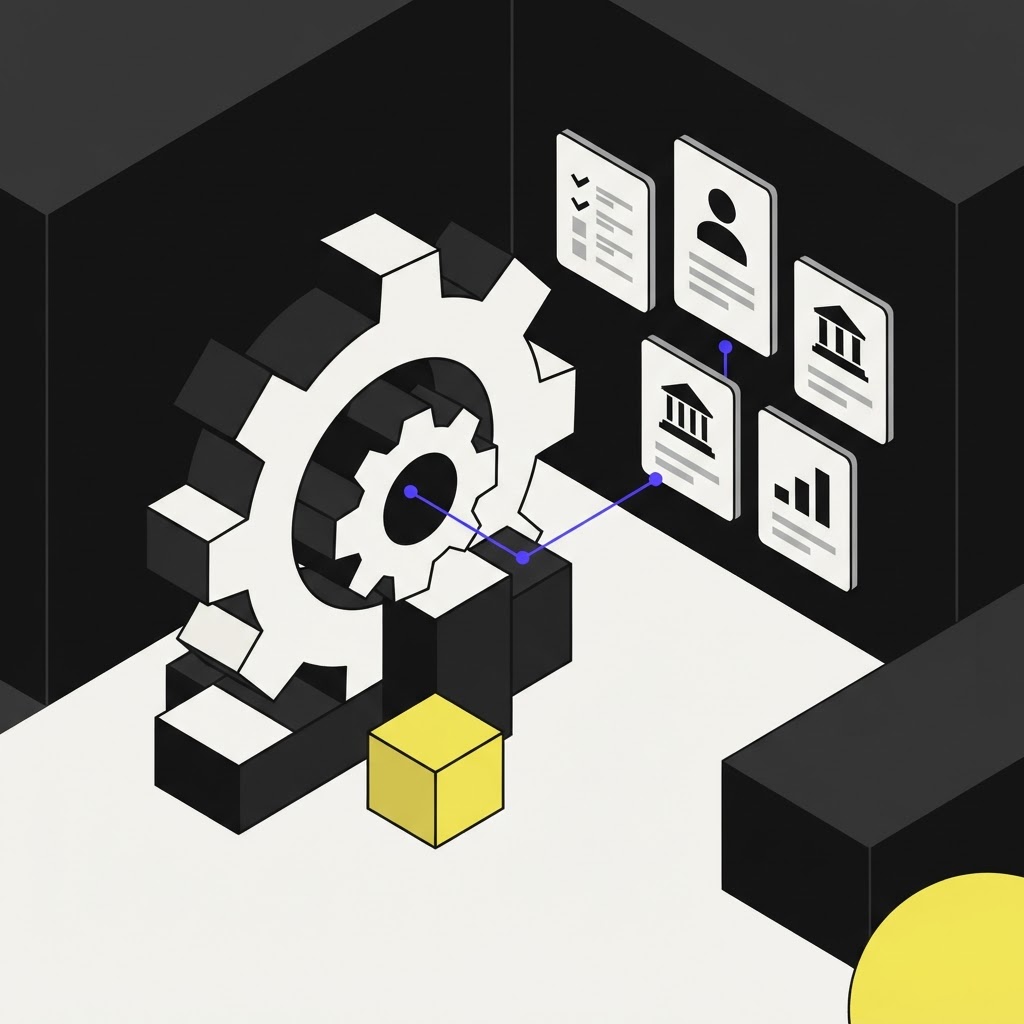
Kira Systems established a familiar model: identify provisions across a large document set, organize results, and route exceptions to legal reviewers. That model remains useful for defined review projects, but it is less complete when risk teams need automated contract risk analysis tied to policy changes, counterparty events, and repeatable governance. The distinction is operational: extraction answers what a document says, while a defensible review process records how the organization reached its decision.
Where Kira Systems Still Fits
Kira Systems can be part of a structured diligence workflow when the organization has a known document population and a stable extraction taxonomy. Teams can also assess the legal compliance workflows when defining the controls that surround extraction. The limitation surfaces when reviewers must connect extracted language to changing policy rules, external signals, or downstream remediation ownership. Research simulating SaaS agreements found compliance detection accuracy rose from 64.2% for manual review to 92.1% under an AI contract review framework, while false positives fell from 13.4% under a rule-based baseline to 4.7%; the study's authors describe these as simulation-derived estimates pending real-world validation.
Clause finding: Locate defined provisions across document collections.
Schema consistency: Apply common fields across similar agreements.
Human escalation: Send ambiguous findings to qualified reviewers.
Project scope: Support one-time diligence and remediation workstreams.
Why One-Time Reviews Create a Control Gap
A signed agreement can become risk-relevant long after its first review. A missed renewal date, revised regulatory expectation, leadership change at a counterparty, or altered website representation may require a fresh assessment. That is why tracking key contract dates and event-based review logic belong in the evaluation, rather than being treated as administrative add-ons. The question for buyers is whether the platform preserves an evidence trail when a finding is reopened months later.

How Kira Systems Alternatives Compare for Enterprise Contract Review
The relevant alternatives are not all the same type of product. Some focus on contract lifecycle workflows, some provide broadly available AI assistance, and some use custom agents for research-heavy, high-stakes reviews. Buyers should compare the work each system can substantiate, not merely the number of clauses it can recognize.
Features at a Glance
This comparison distinguishes the capabilities buyers should verify during product evaluation. Public pricing detail is limited across the category, so the table focuses on operational capabilities rather than unsupported cost comparisons.
Option | Primary contract function | Traceable review output | Ongoing monitoring |
|---|---|---|---|
Grep | Custom agents for due diligence and compliance reviews | Citation-backed reports and exportable decision trails | Loops and Monitors support scheduled or event-triggered screening |
Kira Systems | Structured clause extraction and document analysis | Review depends on configured extraction workflows | Not described here as an always-on monitoring surface |
Microsoft Copilot | General productivity assistance across Microsoft products | Depends on the connected Microsoft workflow and source context | Not described here as contract-specific monitoring |
Bretton AI | Document reviews, alert handling, due diligence, and case narratives | Trust Infrastructure integrations and native connectors | Alert handling is listed among its supported work |
The key split is between a review queue and a living control. An enterprise should require every material conclusion to retain its supporting language, rule logic, and reviewer disposition, especially where findings influence approval, escalation, or disclosure.
What to Test During a Vendor Evaluation
Run the same sample agreements through each candidate and ask reviewers to challenge the results. Include lease abstraction if the document population includes leases. An review against defined rules exercise should show the underlying provision, the policy criterion applied, the confidence or escalation rationale, and the exact output available for audit. Do not accept a polished summary as evidence if the system cannot show the underlying path from source contract to conclusion.
Test realistic exceptions rather than clean templates: missing schedules, conflicting definitions, amendments, scanned exhibits, and multi-jurisdiction requirements. A January 2026 in-house legal AI survey found that 52% of teams are now using or evaluating AI for contract review, with data privacy and integration concerns as the top adoption obstacles, which is exactly why routing quality and false-positive control should be tested alongside extraction accuracy rather than assumed from adoption trends alone.
Build Auditability and Continuous Monitoring Into the Operating Model
The distinction between enterprise AI and generic legal document tools is ultimately one of governance. Generic assistance may accelerate first-pass reading, but high-stakes decisions require traceable legal document analysis that can be reviewed by counsel, compliance leaders, internal audit, and a board. The system should make exceptions more visible, not simply make document summaries faster.
Evidence Is the Unit of Trust
For an auditable AI contract review process, every finding should connect to contract language, relevant policy, source date, and reviewer action. That record matters when the same contract is reviewed again after an acquisition, regulatory inquiry, or vendor incident. Accuracy claims vary widely across vendors, document types, and clause complexity, but high accuracy alone does not answer who approved an exception or why.
Review teams should also inspect how the system handles difficult cases. Compliance detection accuracy is meaningful only when the platform distinguishes a real issue from a noisy alert. A defensible operating model treats human review as a documented decision point, not an invisible fallback.
Continuous Oversight Changes the Procurement Standard
Continuous monitoring for contract compliance turns contract data into an active control surface. Rather than rerunning a portfolio only during a transaction or annual review, teams can trigger reevaluation when obligations approach, counterparties change, or relevant regulatory signals emerge. Buyers should ask how their review process records governance decisions as requirements change, as outlined in this EU AI Act timeline update.
Grep’s contract research agents are designed for this broader high-stakes work: they can produce traceable, citation-backed reports and operate through Loops and Monitors for scheduled or event-triggered screening. For large enterprises, where Grep has its strongest traction today, the practical value is connecting a contract finding to a continuing research and oversight process rather than leaving it in a closed project folder.
Conclusion
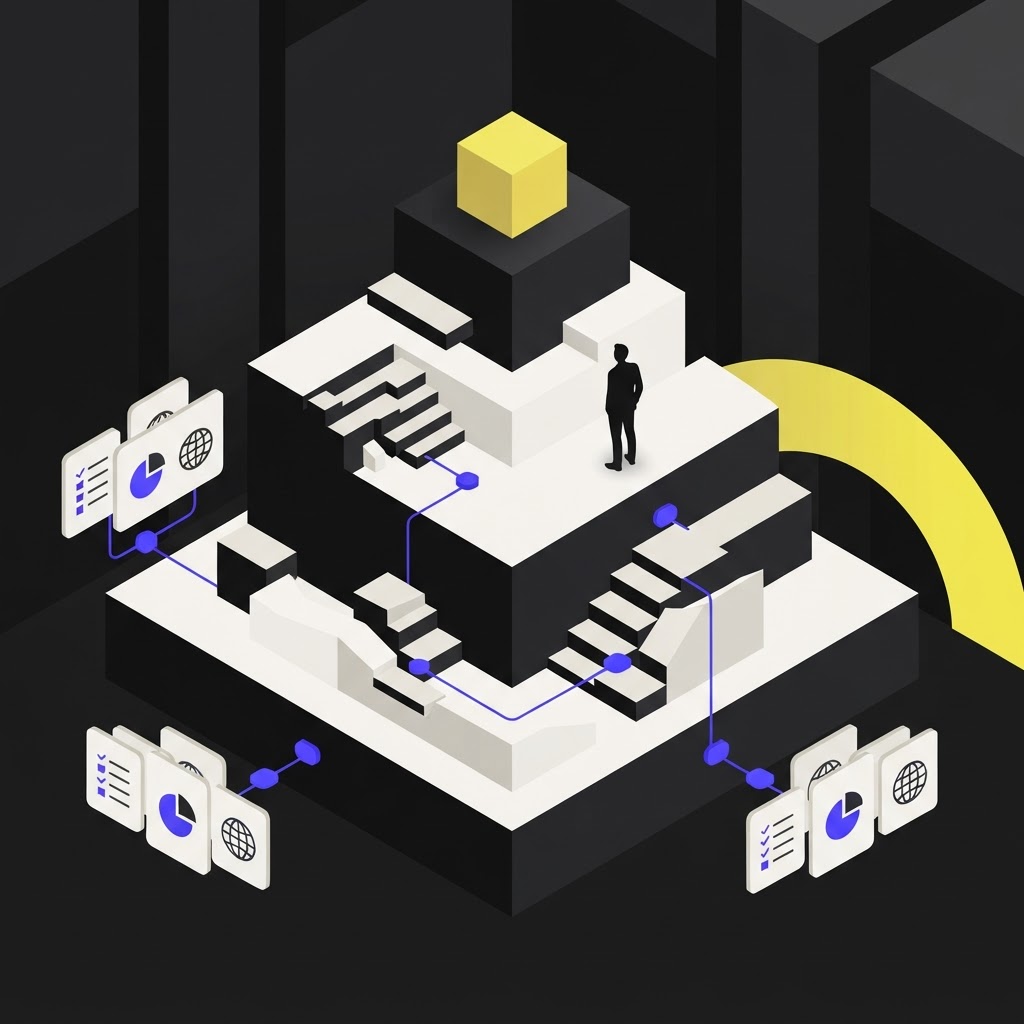
A Kira Systems alternative should be evaluated on the quality of its decision record, not only its extraction interface. Require a pilot that tests real exceptions, policy mapping, escalation workflows, and the ability to revisit conclusions as facts change. For enterprises managing diligence, compliance oversight, and repeatable risk review, Grep is the choice when the requirement is custom AI agents with citation-backed outputs and always-on Loops and Monitors. This is how teams can pursue scaling legal operations without headcount while keeping material decisions defensible.
Ready to make contract risk review traceable? Get started with Grep and assess the workflow against your own contracts.
Frequently Asked Questions (FAQs)
How to automate high-stakes contract review?
Automating high-stakes contract review means combining clause analysis with documented policy rules, evidence links, escalation paths, and human approval records so that each material conclusion can be independently examined after the review is complete.
Why does generic AI fail for enterprise contract review?
Generic AI fails for enterprise contract review when it produces summaries without showing source provisions, applied rules, confidence boundaries, or reviewer decisions, leaving legal and compliance teams unable to defend outcomes during internal or external scrutiny.
What makes a contract review system audit-ready?
A contract review system is audit-ready when it preserves the relevant contract text, the policy or requirement applied, the timing of the analysis, the decision owner, and an exportable record of why any exception was accepted or escalated.
Can enterprise AI agents replace manual contract triage?
Enterprise AI agents can replace portions of manual contract triage by routing lower-risk work and surfacing exceptions, but qualified reviewers should retain responsibility for material interpretation, policy exceptions, and final decisions with legal consequences.
Is there an AI solution for continuous contract monitoring?
An AI solution for continuous contract monitoring uses scheduled or event-triggered workflows to reassess contractual obligations when relevant dates, counterparty signals, regulatory developments, or other monitored conditions change after the original review.
What is the difference between generic AI and custom agents for due diligence?
The difference between generic AI and custom agents for due diligence is that custom agents can be configured around defined research tasks, source requirements, decision trails, and escalation standards rather than returning an unstructured response to a broad prompt.
How can enterprises ensure data security in automated legal review?
Data security in automated legal review for US enterprises requires reviewing access controls, data retention, customer-data training policies, audit exports, deployment options, and contractual safeguards before sensitive agreements are made available to any AI system.
About the Author
Miguel Rios-Berrios is Founder and CTO of GREP.ai, with a decade of experience leading engineering and data science teams. His work focuses on building enterprise AI agents for compliance, due diligence, and other decisions that require traceable, auditable outputs.