Open Source Project Tracker: Turn Open Source Health Into a Score
See how continuous monitoring converts open source risk signals into a single health score, helping compliance and engineering teams act before issues escalate.

Quick Answer
An open source project tracker should convert maintenance, governance, and security signals into a documented health score that updates as the project changes. A score is useful only when each component can be traced to evidence, reviewed over time, and connected to a dependency owner who can act before a project becomes operational risk.
Introduction
Open source dependencies can become a material control gap when teams approve them once and never revisit their condition. Research cited in commercial applications indicates that approximately 97% contain open source software, so even a modest portfolio can create a large monitoring surface.[1] An open source project tracker makes that surface reviewable by translating repository activity, maintainer concentration, and release behavior into a continuous record. The difficult question is not whether a repository has commits, but whether its maintenance pattern supports a defensible dependency decision.
Key Takeaways
A health score should combine activity, contributor resilience, maintenance response, releases, and governance evidence.
Trend changes matter more than a single repository snapshot.
Every score needs source evidence, ownership, and a documented escalation path.
Build an open source project tracker health score from observable signals
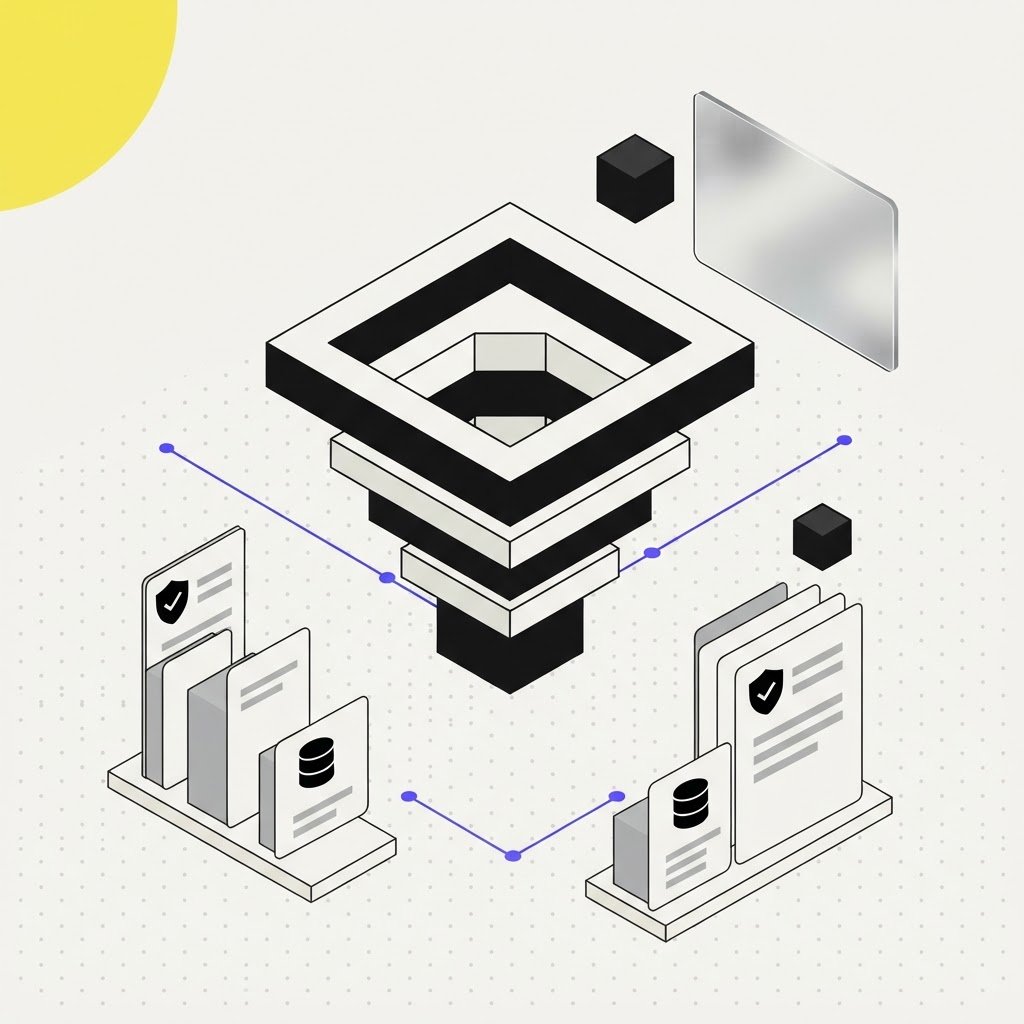
A defensible open source health score is a weighted assessment of whether a project remains maintainable for the dependency’s business importance. It should distinguish a quiet but stable library from a project whose maintainer base, issue response, or governance is deteriorating. That distinction is central to vendor and counterparty due diligence because dependency risk can affect product delivery, security remediation, and audit findings at the same time.
Use signals that reveal maintenance capacity
Start with signals that show whether people can still maintain the software, not merely whether the repository exists. CHAOSS, which stands for Community Health Analytics in Open Source Software, is a Linux Foundation project that develops metrics, metric models, and software to better understand open source community health.[2] It provides a useful foundation for defining consistent evidence across repositories.
Commit continuity: Track sustained activity, not isolated bursts.
Contributor diversity: Identify concentration among a small maintainer group.
Issue response: Watch unresolved reports and maintainer engagement.
Release cadence: Compare releases against the project’s established rhythm.
Governance changes: Record licensing, ownership, and policy changes.
Weight the score by dependency criticality
Do not give every package the same escalation threshold. A library in a customer-facing payment path deserves more frequent review and stronger evidence than an isolated development utility, while a direct dependency with many downstream services deserves more attention than a lightly used indirect package. Pair the score with dependency risk checks so ownership, usage context, and remediation choices remain connected to the repository evidence.
Compare a point-in-time review with continuous monitoring
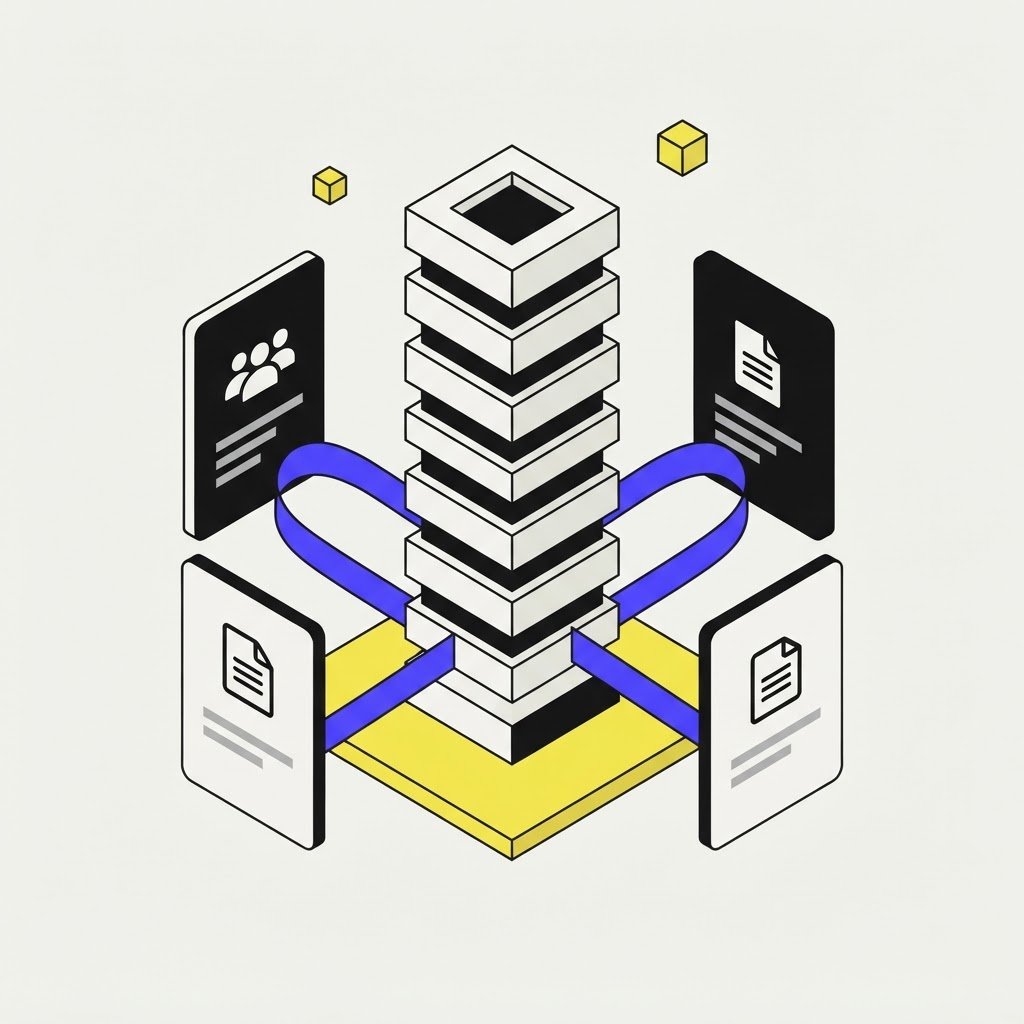
A repository review and an ongoing monitoring program answer different questions. The first records whether a dependency looked acceptable at approval; the second detects whether the conditions supporting that approval have changed. For compliance teams, that difference determines whether the dependency file can explain both the original decision and the response to later evidence.
Score changes, not just current status
Use a baseline score at onboarding, then preserve the signal-level inputs for every later change. A recent study found that only 2% of repositories exhibit daily stability, 29% achieve weekly stability, and 50% demonstrate monthly stability, while the remaining half are unstable across those levels of granularity.[1] That makes a fixed expectation for every project misleading, and it supports measuring changes against each repository’s own observed pattern.
The table shows how a one-time review differs from an operating control for a dependency portfolio.
Control approach | Evidence captured | Change detection | Audit value |
|---|---|---|---|
Manual spot-check | Repository snapshot | Only when reassessed | Shows an approval date |
Health score baseline | Weighted signal record | Comparison to baseline | Shows decision rationale |
Continuous monitor | Signal history and alerts | Event- or schedule-driven | Shows review and response |
The operational advantage is not automation for its own sake. It is the ability to show why a score moved, who reviewed it, and what control decision followed.
Preserve evidence behind every score movement
A score without source detail becomes a dashboard opinion. Maintain links to commits, releases, issue discussions, license files, and ownership notices, then record the rule that caused an alert and the reviewer’s disposition. The OpenSSF Project Security Baseline is designed as a minimum definition of requirements for a project relative to its maturity level and contains only MUST controls, offering a practical reference point when governance and security controls are assessed alongside community signals.[3]
Operationalize monitoring without expanding the review queue
Continuous monitoring works when it routes only material changes to the people who own the dependency decision. Define event rules for sustained inactivity, a shrinking contributor base, overdue issue patterns, unexpected release behavior, license modifications, and newly relevant vulnerabilities. That turns daily vulnerability monitoring and project-health tracking into related controls rather than separate spreadsheets.
Assign ownership and response rules before alerts arrive
Each monitored dependency needs a business owner, a technical owner, a criticality tier, and a documented action path. A declining score may trigger evidence collection, a maintainer outreach decision, an architecture review, a replacement assessment, or acceptance of the risk with a recorded rationale. These decisions belong in security intelligence workflows and compliance monitoring workflows because the same dependency can create operational, legal, and security consequences.
Use agents for repeatable research, not unreviewed approvals
Grep’s Loops and Monitors can run scheduled or event-triggered research on repository and organization changes, keeping the findings traceable for risk teams that need ongoing evidence instead of a one-time report. Its custom agents are designed for high-stakes research where output must be auditable and defensible to a board or regulator. Grep’s Brain can retain relevant domain context, allowing the monitoring record to connect a repository signal to prior reviews, dependency ownership, and documented decisions.
Conclusion
A useful health score turns open source risk from an informal engineering concern into a repeatable control. Measure maintenance capacity, set criticality-based thresholds, preserve the evidence behind every score movement, and assign a response owner before risk accumulates. For enterprises managing large dependency portfolios, Grep supports this work through Loops and Monitors while retaining auditable decision trails. Continuous review does not eliminate dependency risk, but it makes silence, decay, and governance changes visible early enough to address.
Need a defensible monitoring process for critical dependencies? Get started with Grep and connect monitoring evidence to the decisions your team must defend.
Frequently Asked Questions (FAQs)
Scoring the health of an open source project requires a documented weighting model for activity, contributor concentration, issue handling, release behavior, licensing, and governance, with each component tied to repository evidence and adjusted for the dependency’s business criticality.
Signals indicating an open source project is at risk include sustained inactivity, shrinking maintainer participation, unresolved issue accumulation, abrupt release changes, ownership uncertainty, and licensing modifications that create technical, legal, or operational review requirements.
Continuous monitoring for compliance creates a time-stamped record of changes, alerts responsible reviewers when conditions shift, and documents the resulting disposition, which makes ongoing control operation easier to demonstrate during audits or leadership reviews.
Grep maintains traceability in automated research by producing citation-backed outputs and exportable decision trails, so teams can connect findings to their underlying sources, review logic, and the decisions made from those findings.
AI research for financial compliance is auditable when the system preserves source citations, the scope of each review, reviewer actions, and an exportable record of the final decision rather than presenting unsupported conclusions as completed controls.
AI agents integrate with institutional data systems through approved connections and scoped credentials, allowing research outputs to incorporate relevant internal context while retaining access controls and a reviewable record of how information informed the result.
Sources
- From Commits to Confidence: Towards Stability-Informed Risk Assessment in Open Source Software | arXiv.org ↩
- CHAOSS | Chaoss.community ↩
- OpenSSF Project Security Baseline | Baseline.openssf.org ↩