Vehicle Research: Turn a VIN Into One Clear Ownership History
Checking a VIN manually means juggling DMV, insurance, and auction records. See how one report consolidates vehicle history, titles, and recalls instantly.
Quick Answer
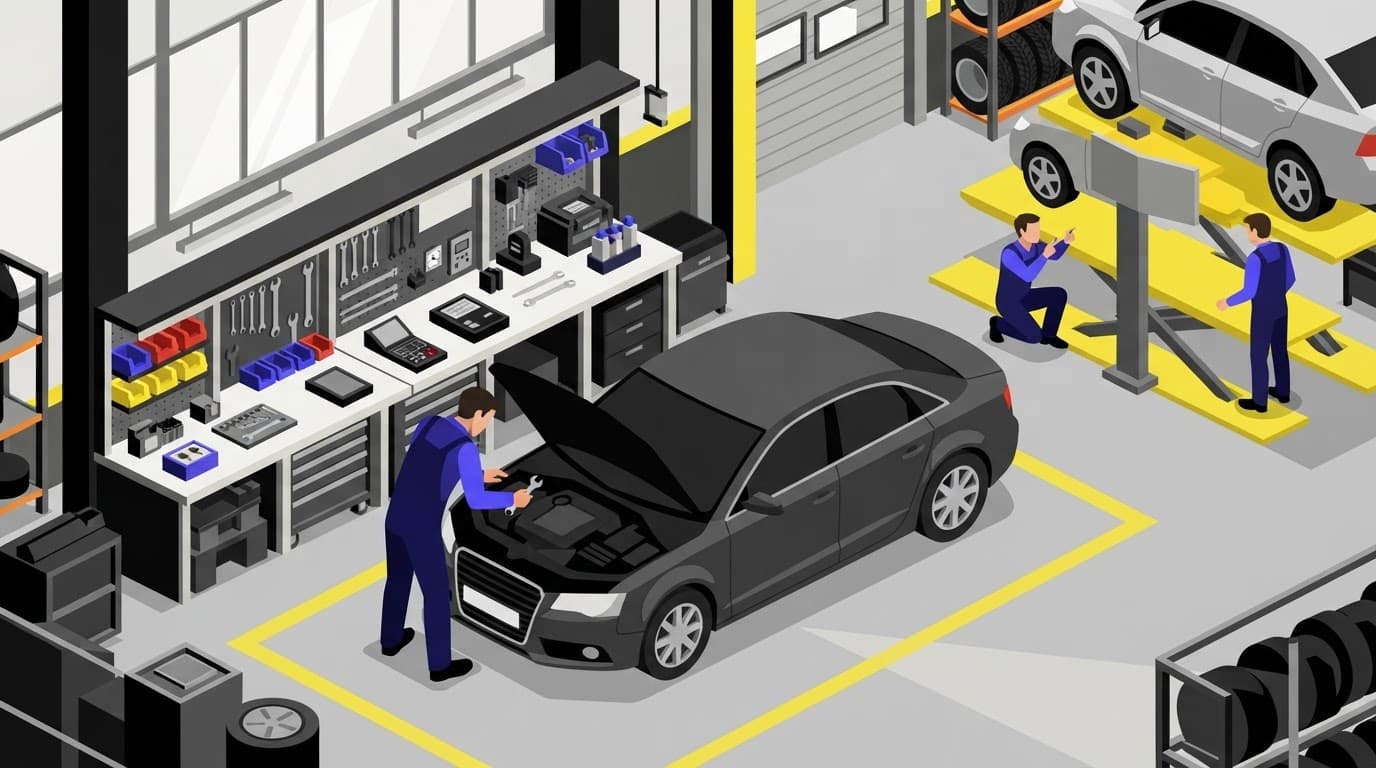
A VIN can help reviewers match available title, odometer, loss, transfer, and recall records to the same vehicle in one traceable review. A vehicle identification number is 17 characters long, and that identifier can expose conflicts that are easy to miss when teams review state, insurer, and auction records separately.[1]
Introduction
Manual VIN lookup creates a predictable diligence gap: reviewers may find pieces of a vehicle's past but fail to connect them before a purchase, financing decision, or title filing. A consolidated VIN check gives teams one place to examine the record, document the result, and escalate contradictions. For high-stakes transactions, the question is not whether a source returned data, but whether the resulting ownership story holds together.
Key Takeaways
A VIN is an entry point for reconciling several records into one ownership history.
Title brands, mileage changes, and ownership transfers require review as connected signals.
Traceable reports make approval decisions easier to defend and revisit.
Why a VIN Lookup Needs More Than One Database
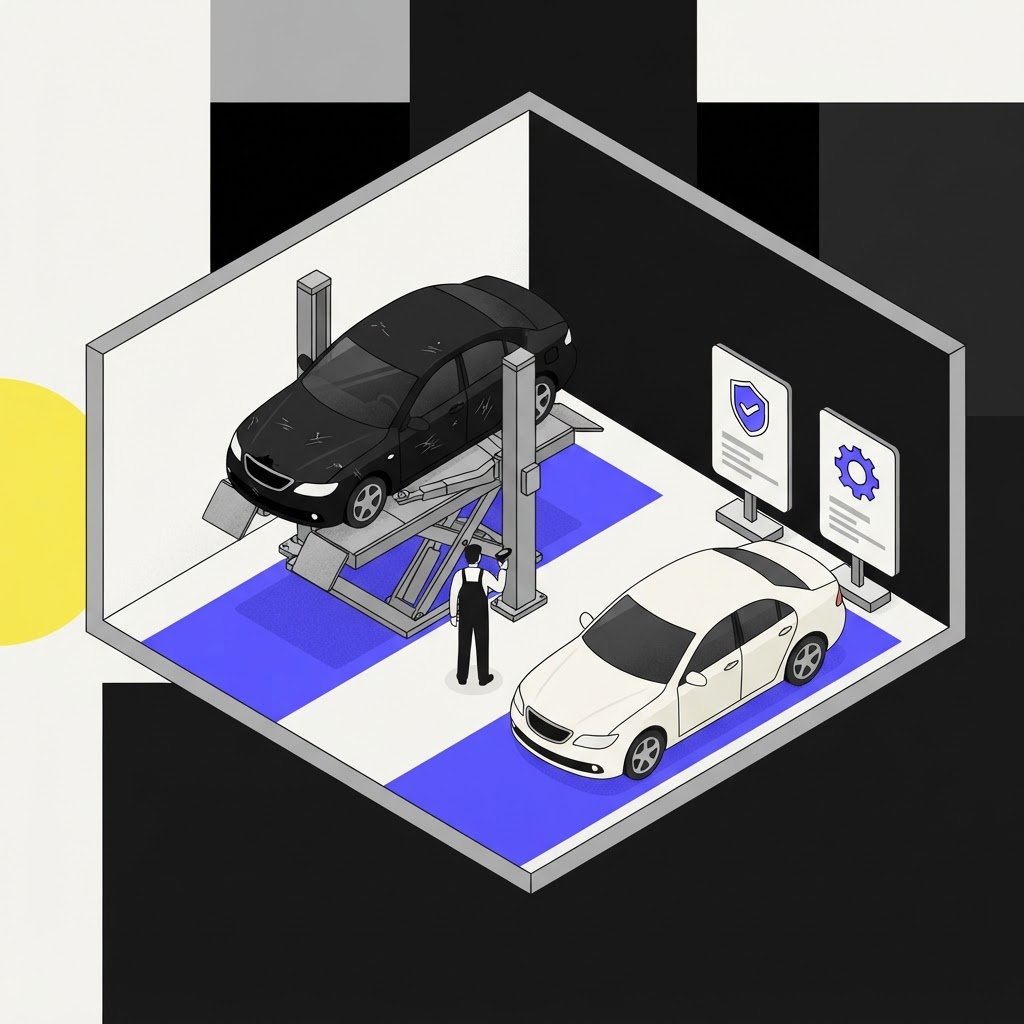
A VIN lookup should reconcile records rather than treat each source as a separate pass-or-fail check. DMV title files, insurance loss reports, auction listings, repair information, and recall records often answer different questions, and inconsistencies between them are frequently the most useful finding. This is why vehicle due diligence needs a documented review path instead of a browser tab collection.
What a consolidated ownership history should examine
A useful ownership history links events to the same vehicle and places them in a sequence that a reviewer can assess. It should preserve the underlying sources and flag gaps or conflicting descriptions instead of smoothing them over.
Title history: Track issuances, brands, jurisdictions, and status changes.
Odometer readings: Identify mileage patterns that need explanation.
Loss records: Surface accident, salvage, and junk indicators.
Ownership transfers: Review changes in registered ownership over time.
Open recalls: Check unresolved safety-related manufacturer actions.
Why title status deserves special attention
Title history is not just an administrative detail. A vehicle previously branded as salvage may later pass anti-theft and safety inspections, or other jurisdiction procedures, before it is rebuilt to required standards. That can be legitimate, but a reviewer still needs the earlier brand and the sequence of title changes to understand what they are approving.
Automated Vehicle Diligence Turns Records Into a Decision Trail
Automated vehicle diligence replaces repeated manual searching with a structured report that maps each source back to the VIN and records what was found. It does not eliminate judgment. It gives fleet teams, dealerships, lenders, and buyers a consistent starting point for judgment, with findings that can be reviewed later by another person.
Compare a consolidated VIN report with generic AI output
The difference is not whether an AI system can produce a readable summary. The difference is whether the report preserves source-level attribution, flags conflicts instead of smoothing them over, and stays current after the first check.
Evaluation area | Microsoft Copilot | Grep |
|---|---|---|
Record reconciliation | May summarize retrieved results without resolving conflicts | Reconciles title, loss, and transfer records to one VIN |
Source traceability | May not preserve source-level attribution | Links each finding back to its originating record |
Escalation workflow | Requires a separate manual follow-up step | Can route exceptions for review |
Ongoing monitoring | Limited to a one-time query | Loops and Monitors support recurring checks |
How one report reduces the manual review burden
In a manual process, one reviewer may check a title record, another may search auction history, and a third may look for recall information. Each person may use a different source, save different notes, and reach a conclusion without seeing the full chain of events. A comparison of manual research is useful here because the risk is not simply time spent, it is inconsistent evidence handling.
Grep's Vehicle Research agent can organize VIN research into a traceable report for each transaction. The report should identify records found, agreements and conflicts between them, and items requiring follow-up before funds move or a title is processed.
A title-wash scenario a fragmented review can miss
Consider a vehicle that carries a salvage brand in one state, then appears later with a rebuilt or cleaner-looking title record after moving across state lines. A reviewer who only checks the most recent title could see a valid current document and stop there. A consolidated history can connect the earlier salvage event, subsequent transfer, inspection-related title change, and auction references, making the missing context visible before the vehicle enters inventory or collateral.

Build a Review Process Around Exceptions, Not Screenshots
The operational goal is not to create a longer report. It is to give reviewers a repeatable way to spot exceptions, request clarification, and retain an audit-ready record of the decision. Teams handling institutional onboarding or financing files benefit when vehicle research follows the same principles as other high-stakes reviews: source traceability, clear escalation, and consistent records.
Set practical escalation rules before running the check
Define what requires a pause before a vehicle is approved. Examples include an unexplained mileage drop, a title brand that does not match the seller's disclosure, a recent transfer without supporting documentation, or an unresolved safety issue.
Keep recall research separate from title findings
Recall status is a safety question, while title status is an ownership and condition question, so neither should substitute for the other. Review NHTSA recalls data separately from title findings and document the result in the decision record.[2]
For organizations that need repeatable research, Grep can support vehicle research alongside broader due diligence AI agents while keeping reports tied to the evidence used. Grep's Loops and Monitors can also support ongoing screening where a vehicle's status needs attention beyond a single transaction, rather than leaving a static report as the final record.
Conclusion
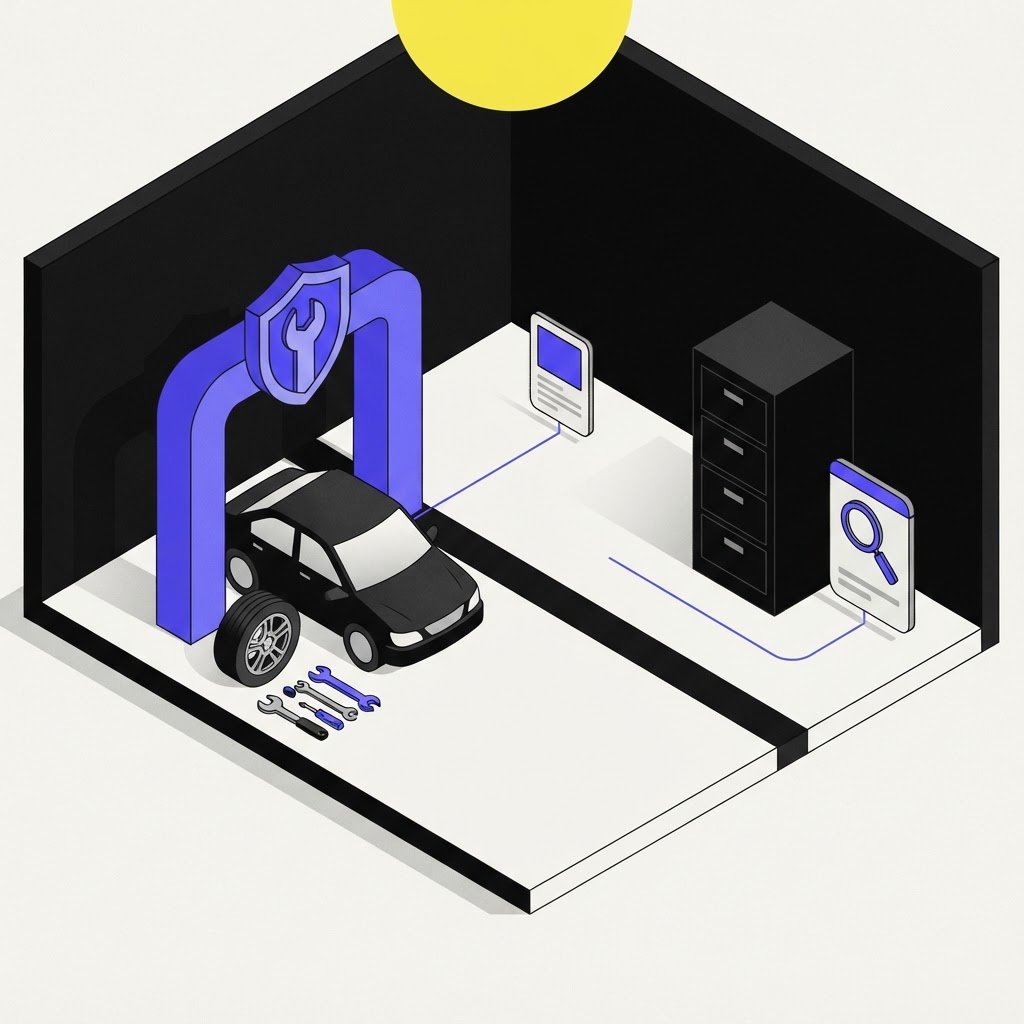
Clear vehicle research starts with a VIN but ends with a reconciled account of title status, mileage, loss events, transfers, and recalls. The most important control is not collecting more screenshots, it is connecting records early enough to investigate inconsistencies before approving a deal. In Texas, a Vehicle Transit Permit allows 5 days of legal driving to reach a county tax office for title and registration, and a new title application is required within 30 days of purchase to avoid financial penalties.[3] For teams that need a traceable, auditable review process, Grep's Vehicle Research agent can turn scattered vehicle records into a defensible ownership history.
Ready to replace fragmented VIN checks with a clearer record? Explore Grep's vehicle research for your next vehicle review.
Frequently Asked Questions (FAQs)
How to automate high-stakes VIN verification?
Automating high-stakes VIN verification means using a consistent research process that gathers relevant title, history, ownership, and recall signals into a traceable report, then routes contradictions or missing records to a qualified reviewer before an approval decision is made.
What are the risks of manual vehicle identification checks?
The risks of manual vehicle identification checks include overlooking a prior title brand, failing to reconcile conflicting mileage records, relying on an incomplete source, and leaving no clear decision trail when a later audit asks why the vehicle was approved.
Is VIN lookup data reliable for institutional risk assessment?
VIN lookup data can support institutional risk assessment when reviewers compare relevant sources, preserve source-level findings, and investigate conflicts, because no single record alone can establish the full condition, ownership, or transaction history of a vehicle.
What defines a traceable VIN verification process?
A traceable VIN verification process records the VIN searched, the sources reviewed, the findings returned, the exceptions identified, and the person or policy responsible for the final disposition, creating a record that can be revisited when circumstances change.
How does VIN lookup fit into corporate due diligence?
VIN lookup fits into corporate due diligence by helping organizations assess vehicles as purchased assets, financed collateral, fleet additions, or titled inventory, while documenting material history signals that could affect operational, financial, safety, or compliance decisions.
Sources
- The Vehicle Identification Number (VIN) (NHTSA) ↩
- Recalls Data (catalog.data.gov) ↩
- Title Check - Look before you buy (txdmv.gov) ↩
About the Author