Knowledge Base
Knowledge Base
How to run research, build agents, call Grep from your own code, and understand what it costs. These are the same guides Grep shows under Learn.
Get started
Running research, reading what comes back, and getting it to run without you.
- Run your first research taskFrom an empty composer to a cited answer, start to finish.6 steps
- HomeWhat the start page shows once you have agents and finished work, and what each part is for.3 steps
- Find your workChats, the Recent shelf, Search everything and Job History: where a task you ran yesterday went.4 steps
- Effort levelsWhat Low, Medium and High actually change.4 steps
- Sources and citationsWhere an answer's evidence lives, and what carries none at all.5 steps
- Slides, audio and exportsTurning a finished result into something you can send.4 steps
- Recurring and watched research (Loops and Monitors)Run the same research on a schedule, or be told when something changes.6 steps
- SwarmsRun the same work across a whole list of records, or across records Grep finds for you.9 steps
Build agents
Turning a workflow somebody repeats into an agent that runs it.
- Create a Grep agentEight steps: the decision, then the builder's seven.8 steps
- Write great Grep skillsA skill is a file an agent loads when it needs to know how experts do one job. More than 300 of them ship.6 steps
- Choose an output typeWhat an agent hands back every run, and how to pick between the twelve.5 steps
- Structured JSONNot an artifact — a data contract. Use it when a result has to feed an API workflow, a database, a review queue, or another system.4 steps
Developers
Calling Grep from your own code, or from another agent.
- Getting started with the APIStart a research job from your own code, poll it, and read the result.4 steps
- Use Grep from your own agentGrep's MCP server, so Claude Code, Codex or ChatGPT can run research and build agents for you.5 steps
- Sign in an agent with AgentIDGive an AI agent its own Grep account, signed in with its AgentMail inbox and a key it holds.9 steps
Plans and billing
What a run costs, and what a plan includes.
Videos and posts
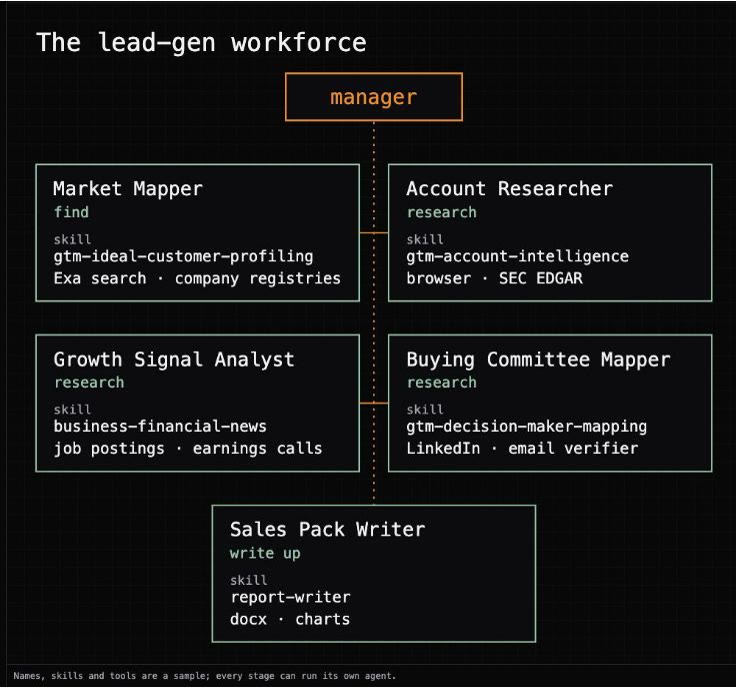
Swarms: a thousand agents working as a team
What swarms are, how we built them, how we use them, and where we think they're going
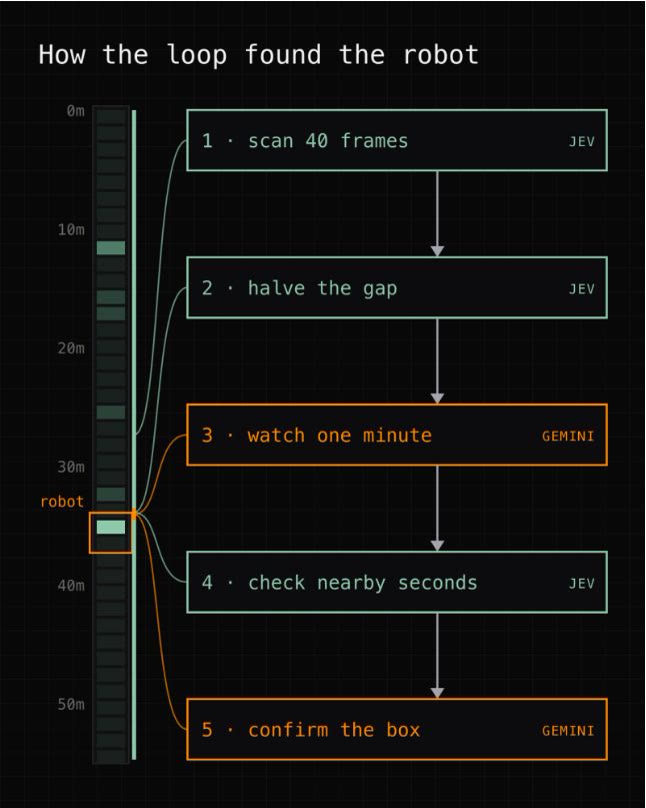
System 1 and System 2 with Jev
How Jev's intuition guides a reasoning model through complex agentic tasks

Agent swarms are here
Today we're launching our biggest feature yet: Agent Swarms, designed to accelerate your business by tackling the backlogs your team can't keep up with.
Watch video
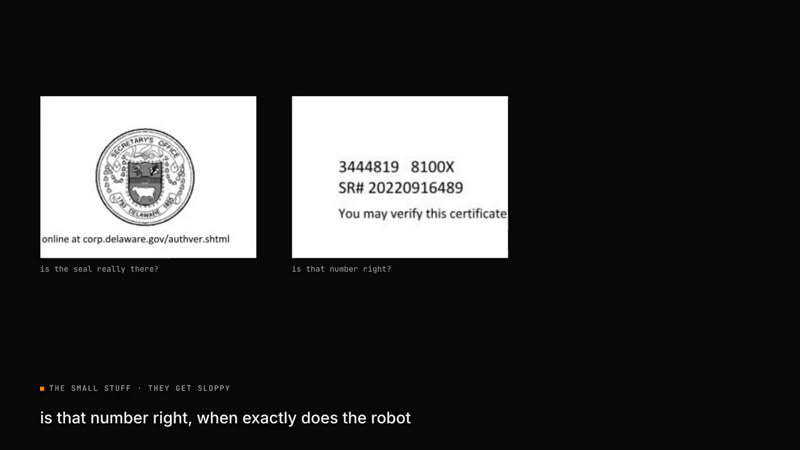
Pi-vision: open-source vision for agents
A few weeks ago, we built a new harness, AgentRun, which turns repetitive steps into workflows and code using Jev.
Watch video
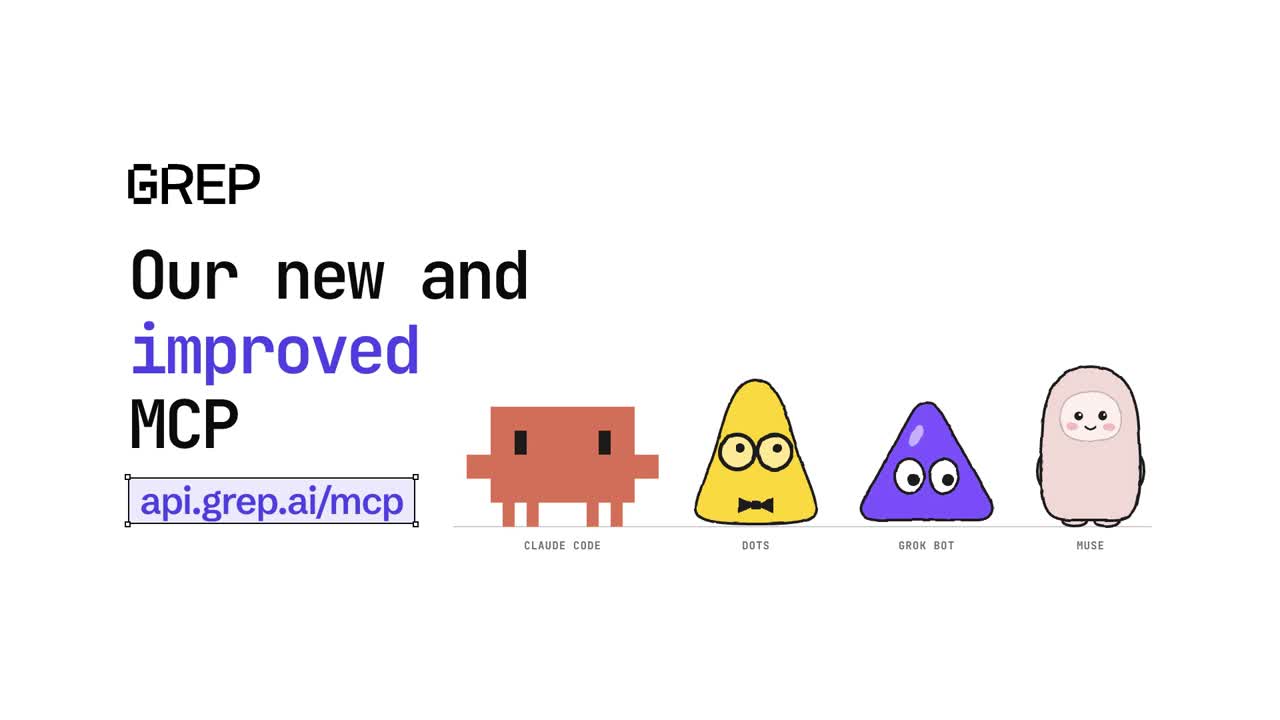
Our new and improved MCP
Everything you do with Grep agents now works from Claude, ChatGPT, Claude Code, Codex or any MCP client.
Watch video
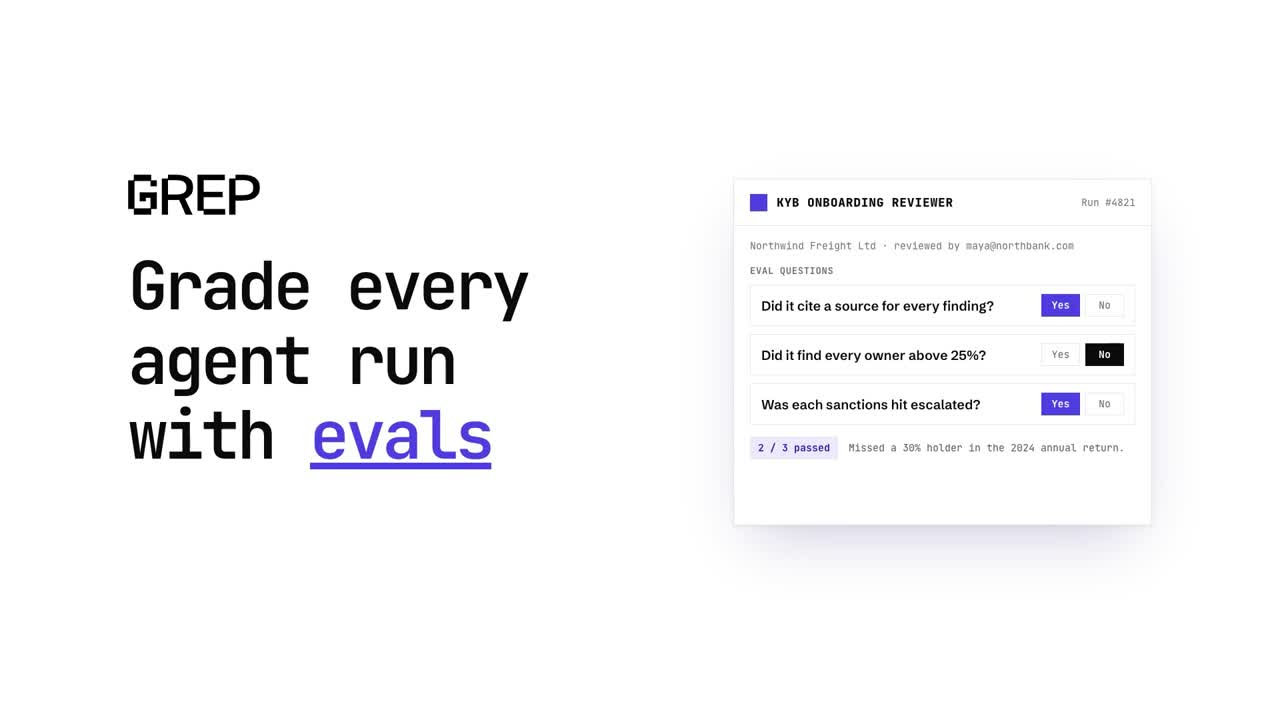
Native evals
Every time you create an agent, we automatically create a set of evaluation questions that you can edit and update.
Watch video
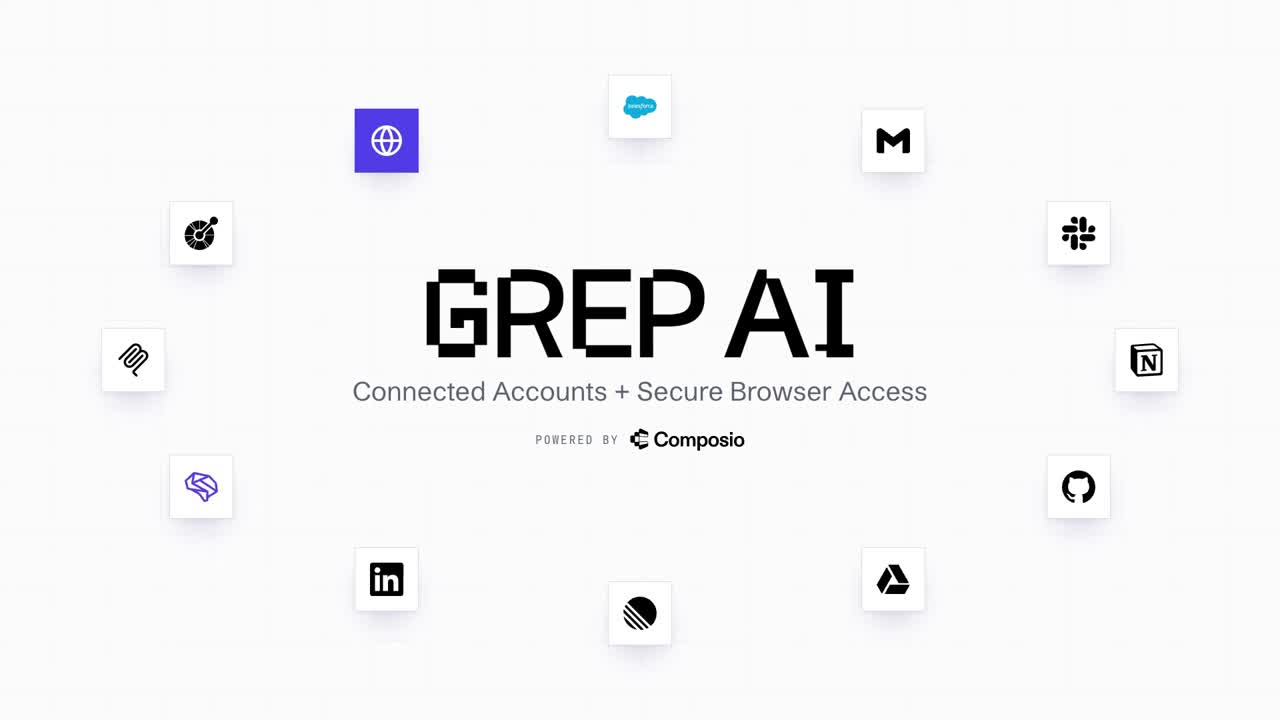
Connected accounts and browser access
Over 1,000 integrations with Composio, your own APIs and MCPs, and authenticated browser access for tools that have neither.
Watch video
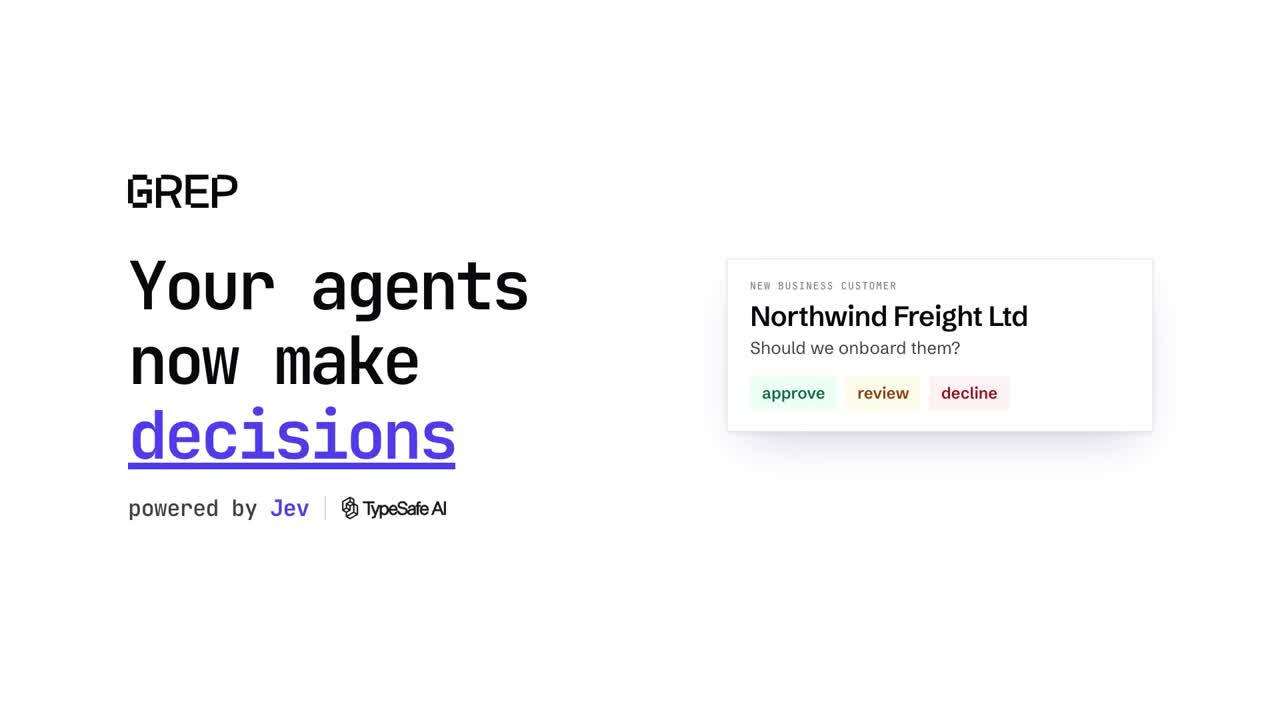
Decision outputs, powered by Jev
What if the agent could make the decision itself when it has high confidence, and leave the rest for human review?
Watch video
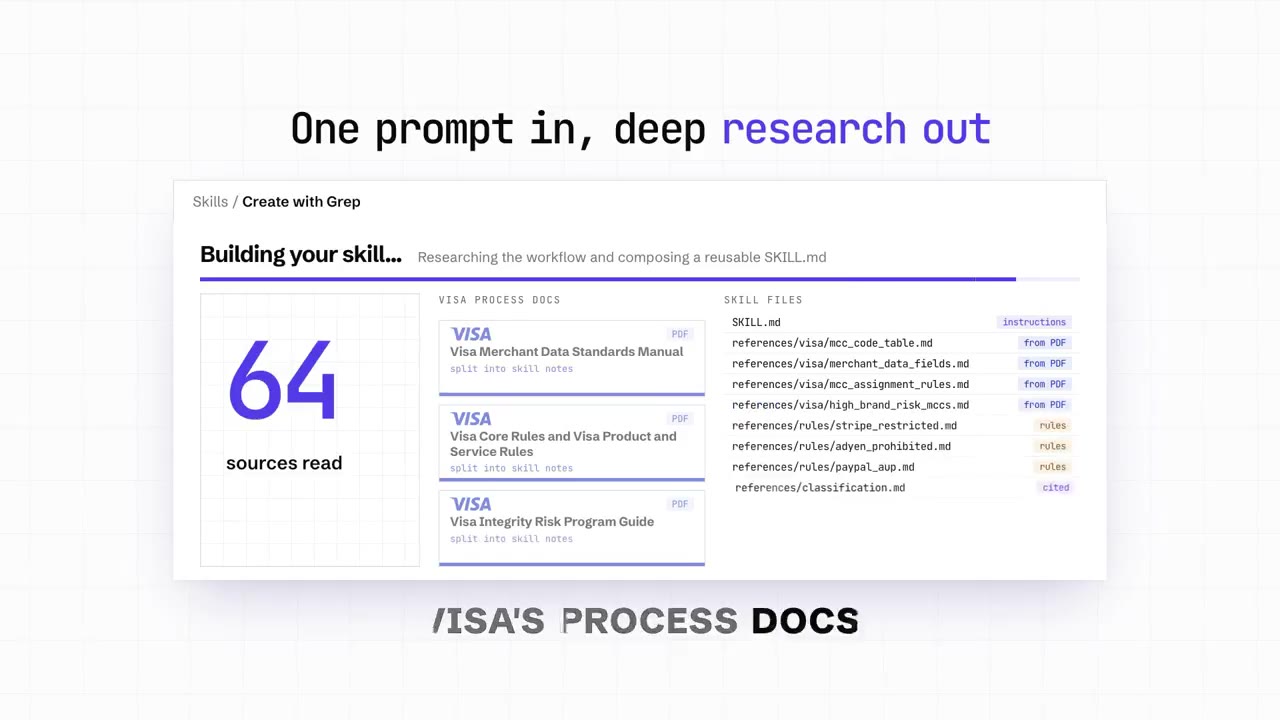
Custom Skills
Create a skill for a process you use across multiple agents. Grep researches it, writes it, and puts it in your Skills Library to reuse anywhere.
Watch video

Grep launches with Y Combinator
GREP.AI (YC F26) provides self-improving agents for repetitive work you can't afford to get wrong.
Watch video
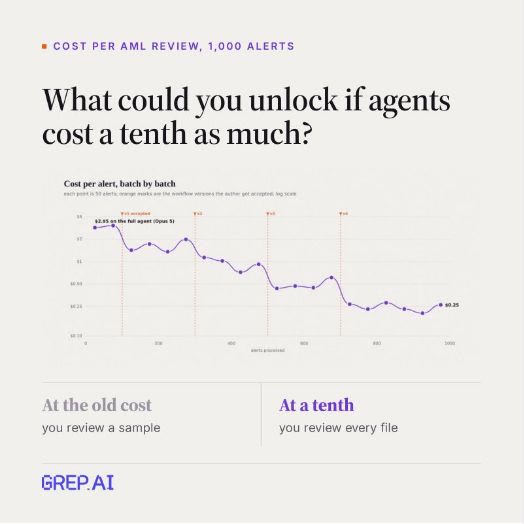
Agents at a tenth of the cost
What could you unlock if your agents cost a tenth as much to run? We just cut the cost of running an AML review agent by 90%.

Meet AgentRun
We built AgentRun so agents can learn a complex job, turn it into a cheaper workflow, and step in when needed.
Watch video

Run agents by the thousand
Run one, ten, hundreds, or thousands of agents with the click of a button. It's called Batches, and it's live today.
Watch video
Loops and Monitors
The highest-stakes work in most companies still runs on calendar reminders. Loops and Monitors fix the remembering.
Watch video
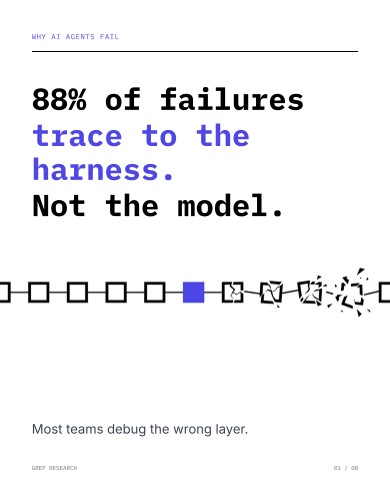
Why agents fail in production
In 88% of documented production failures the root cause was the harness, not the model.

Custom AI Agents launch
Take the repetitive, research-heavy work that slows your business down and turn it into an agent you can deploy in minutes.
Watch video
Why this beats ChatGPT or Copilot
“Why is this better than ChatGPT or Copilot, which our team already uses?” A bank asked me that on a customer call last week.

What we shipped, and how
Make-your-own managed agents, Loops and Monitors, media agents, our MCP. A recap of what we shipped, and a demo of a site built with managed agents.
Watch video

Launching Grep
What if the way we built an expert in due diligence was itself a platform for building an expert in anything? We came back from the break with a working version.
Watch video
Papers
The Compliance Arms Race: Why Agentic AI Is Now Essential
Why traditional compliance cannot match machine-speed financial crime, and what agentic AI changes. Seven chapters, with a 12-month implementation roadmap.
Output types
Research report
A person has to weigh the evidence and the judgement behind the answer.
Decision
The reader needs a call (approve, refer, decline) made against set criteria, with the research behind it.
Task summary
The agent does a job rather than writing about one, and the reader needs to know what happened.
Dashboard
The answer is metrics, statuses and flags across many entities, to be scanned rather than read.
Slidedeck
The audience will meet the answer in a meeting, and it needs an arc rather than a pile of findings.
Document
The result is a durable written asset someone will edit, share or store.
Spreadsheet
The result is rows and columns people will sort, filter, import or reconcile.
PDF
The deliverable has to look identical for every recipient — an attachment, an evidence file, a review packet.
Website
Readers should browse and jump around, and a link is the natural way to share it.
Data Explorer
There are many records and the reader needs to filter and drill in before deciding.
Podcast
The audience will listen — commuting, prepping for a meeting, catching up.
Video
The result teaches a process, and narration plus visuals carry it better than prose.
Structured output only
An API caller wants the fields and nothing else. Only some workspaces see it in the picker.
Structured JSON
A system, not a person, consumes the result. It rides alongside any artifact above.